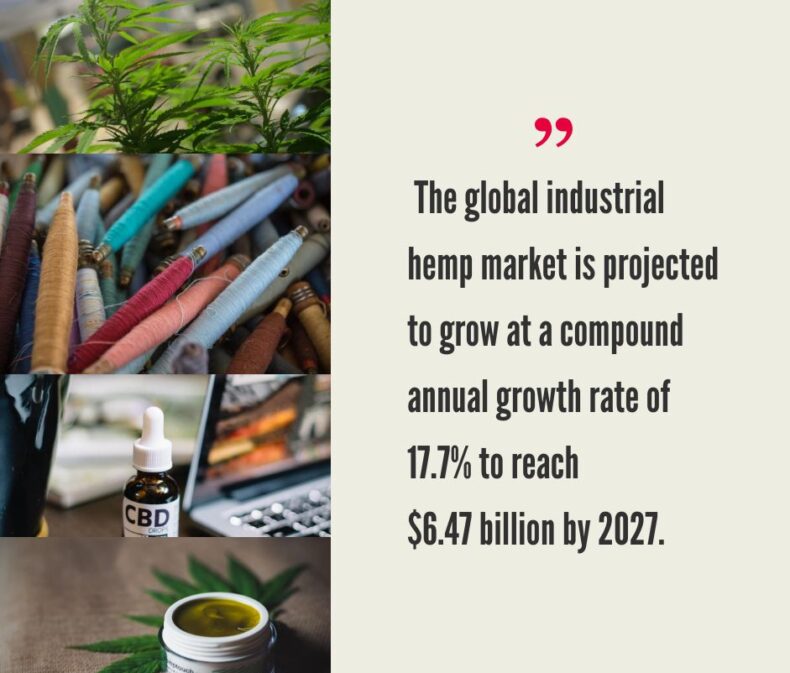
According to a report by Grand View Research, the global industrial hemp market size was estimated at $6.45 billion in 2024 and is expected to grow at a CAGR of 17.5% to reach nearly $17 billion in 2030. In 2024, the hemp fabric (textile) segment remained the leading application area, capturing around 24% of the market, fueled by increasing adoption in sustainable fashion and eco-friendly apparel production. This was followed by other major segments including food and beverages, construction materials (such as hempcrete), and cosmetics and personal care products.
In addition to its industrial uses (such as fiber and grain), hemp can also be used to derive CBD. Cannabidiol (CBD) is one of the numerous compounds found in the cannabis plant. CBD oil can be obtained from two different species of cannabinoids: marijuana and hemp. Hemp-based CBD oil products have a lower delta-9 tetrahydrocannabinol (THC) concentration, while marijuana-derived CBD oil products have a relatively high concentration of THC.
Therefore, it is more likely that a prescription from a doctor will be necessary to acquire marijuana-based CBD products rather than hemp-based CBD oils, making hemp-derived CBD products much more accessible to consumers which in turn contributes to greater demand for them. This is particularly visible in the share that hemp-derived CBD products occupy in the U.S. CBD market – the largest CBD market in the world currently.
The global CBD market size was valued at approximately $9.8 billion in 2024 and is expected to grow at a CAGR of 15.2% from 2025 to 2030, reaching an estimated $23-25 billion by 2030. In 2024, hemp-derived CBD dominated the CBD market, accounting for around 57.2% of total CBD sales. According to updated estimates (based on Grand View Research and other industry sources), the global hemp-derived CBD market reached $5.6 billion in 2024, up from $4.3 billion in 2023 and $2.7 billion in 2022. B2B segment accounts for the largest revenue share. Hemp-derived CBD is legal in at least 57 countries with varying regulations.
These days, at least 70 countries cultivate hemp for commercial or research purposes. In 2024, hemp acreage in North America and the European Union countries totaled around 82,000 acres and 88,000 acres respectively, while China – the world’s largest hemp fiber and seed producer – planted around 95,000 acres of hemp which brought the global acreage to over 270,000 acres.
Australia, New Zealand, Germany, the Netherlands, Paraguay, Uruguay, Chile and South Africa are also among countries with active industrial hemp markets. Regulatory developments in Latin America and Africa are expected to open new opportunities for hemp-based CBD exports while Japan and South Korea represent emerging markets in this industry.
US & Canada
North America is the largest regional market for CBD with an estimated value of $7.9 billion in 2024, driven by the U.S. – the largest single CBD market in the world the growth of which is fueled by widespread legalization at the state level, a robust wellness industry and strong consumer demand for hemp-derived products. The region is also responsible for around 30% of global hemp cultivation.
Canada on its own accounts for around 13% of global hemp cultivation. Since hemp cultivation was legalized in Canada, production has been variable year to year but generally increasing – which some attribute to increased import demand in the United States. For instance, in 2022, over 90% of exports of hemp from Canada were made to the United States.
The Canadian Cannabis Act cleared the way for whole hemp plant utilization. Though industrial hemp licensees may not extract CBD themselves, they can sell hemp leaves, flowers and branches to a holder of a cannabis processing or research license who can then extract CBD from them. According to the most recent data from Statistics Canada, the seeded area of hemp was about 62,000 acres in 2021, 76,900 in 2022 and 55,400 acres in 2023.
In 2024, 36,572 acres of industrial hemp were planted, with about 14,000 acres seeded in the Manitoba province.
It is estimated that sales of hemp in Canada were around $525 million in 2022. Market estimates for the value of hemp-derived CBD in Canada are limited, but researcher Jan Slaski of InnoTech Alberta has predicted that the overall Canadian hemp industry could be worth $1 billion a year.
In December 2018, the Farm Bill was signed into law to make hemp legal for the first time in the United States since the 1930s. The bill removed hemp from the Controlled Substances Act. The passage of the Farm Bill had a dramatic effect on the area intended for hemp cultivation in the U.S. – in 2018, it reached 78,176 acres, tripling from the 25,713 acres in 2017. In 2019, the number of acres licensed for hemp cultivation skyrocketed to 500,000, though only 230,000 acres were actually planted and yields totaled 115,000 acres. However, due to oversupply in the market, in recent years the number of licensed hemp acres fell to only 45,000 in 2023, with more than 27,680 acres planted and 21,079 harvested (up 15.5% from 2022), according to the National Hemp Report 2024. Latest USDA data reveals that there were 5,532 active licenses and 45,294 acres planted in 2024 – up by 63.6% from the previous year. The acres of hemp harvested also increased considerably by 55.1% to 32,694 acres. Hemp floral varieties accounted for about 36% of total harvested acreage, fiber for 58%, grain for 15% and seed for 7%.
The value of hemp production in the open reached its peak of nearly $1.2 billion in 2019. However, it then began a downward trend, falling to $212 million in 2022. In 2023, this number rose by 21.7% to $258 million and then further by 61.6% to $417 million in 2024, showing the industry’s recovery. These figures are taken from National Hemp Reports which, when estimating the value of hemp production, take into account sales of raw hemp material only and not finished hemp products. Total hemp-derived products are projected to reach $5 billion by 2028.
After the adoption of the 2018 Farm Bill, CBD producers have had a much greater incentive to use hemp as their main source for CBD. Though hemp-derived CBD sales did decline in 2021 and 2022, they began to rise again in 2023, reaching nearly $1.7 billion in 2024 and are projected to hit close to $2 billion in 2025.
Grand View Research projects that total sales of hemp-derived CBD consumer products in the U.S. will grow at a CAGR of 13.8% while hemp-derived CBD is expected to grow at a CAGR of over 15% post pandemic owing to increasing demand from the pharmaceutical sector and rising awareness among consumers regarding health.
Europe
In recent years the area dedicated to hemp cultivation has increased significantly in the EU from 20,540 hectares in 2015 to 25,000 hectares in 2023 and 2024. In the same period, the production of hemp increased by 84% from 97,130 tonnes to 179,020 tonnes. France is the largest producer, accounting for more than 60% of EU production, followed by Germany (20%) and The Netherlands (6%).
Europe is expected to be the region with the fastest growth in its CBD industry over the next 5 years. European consumers are becoming increasingly aware of the health benefits that CBD offers and this has contributed to CBD’s rising popularity. However, the CBD market still faces difficulties in the region such as the classification of food products containing CBD (including hemp-derived CBD) as “novel foods” which prohibits the placement of CBD food products on the market before receiving an authorization from the European Commission. The novel food classification applies to CBD products in the UK as well and UK’s Food Service Agency (FSA) is responsible for issuing novel food authorizations. However, in 2022, the European Food Safety Authority put the CBD food product authorization process on hold due to data gaps and uncertainties relating to CBD intake. The process is still on hold to date.
UK has been slightly more progressive with the use of CBD in food products. Some CBD food products have already received positive safety assessments and have moved on to the risk management stage after which the FSA will make recommendations to Ministers across Great Britain on authorizing these products. According to a statement from the FSA, it plans to make first recommendations to Ministers in Spring/Summer 2025.
The value of all hemp-based product markets combined (CBD, hemp bioplastics, insulation, hemp concrete and other) in Europe was estimated at €1.62 billion in 2020, and is expected to reach €6.3 and €8.8 billion in 2025 and 2030 respectively. The total EU CBD market was estimated at €347.7 million in 2023 and is projected to grow at a compound annual growth rate of 25.8% to reach €1.7 billion by 2030. The two biggest markets for CBD are Germany (€76 million) and the UK (€72 million).
Alternatively, if the European CBD market grows at a faster pace, it could reach €2.6 billion by 2026 with around 50 million users, as highlighted in a report by the Prohibition Partners.
Oceania
The industrial hemp market in Oceania is expected to reach US$18.6 million by 2028 with Australia being the largest market in the region.
According to a report from the Agrifutures, the area dedicated to planting of industrial hemp peaked in the 2019-2020 season at around 4,200 hectares with the majority of hemp planted in the New South Wales state. As a result of high production, in the 2020-2021 season the hectares of land on which hemp was planted fell to around 2,500.
Data from the government of Victoria state reveals that in the 2022-2023 season, around 2,300 hectares of hemp were planted: an increase of around 9% from approximately 2,105 hectares that were planted in the 2021-2022 season. According to data from the Food and Agriculture Organization of the United Nations, it is estimated that 3,600 tons of hempseed and 12,600 tons of true hemp were produced in Australia in 2023.
Agrifutures estimates that in the 2019-2020 season, the gross value of industrial hemp production in Australia was $6 million and this is expected to surpass $10 million per annum by 2026.
Demand for hemp in food products increased after the Australia New Zealand Food Standards Code was updated to allow the sale of hemp food products. It is estimated that in Australia, the majority of hemp crop is harvested for food with only 3% of the area planted being for use in fiber. The Australia Industrial Hemp Alliance estimates that the Australian hemp food market has a retail value of $15 million.
In 2023, Australia started a five-year research program with the aim of boosting the hemp industry in the country through researching hemp seeds and varieties, production methods, industry sustainability and hemp-based product development.
Hemp cultivation in New Zealand has increased since the Amendment of the Misuse of Drugs (Industrial Hemp) Regulations came into force in 2018, with a 415% surge in hectares dedicated for growing hemp from 259 hectares in 2018 to 1,335 hectares in 2020. Based on the 2019-2020 growing season, the industry is estimated to be worth $3–$5 million to growers. However, from 2020, the hectares of hemp cultivated in New Zealand began to fall. In 2021, 862 hectares of hemp were cultivated, falling further to 278 hectares in 2022 and just 180 hectares in 2024, according to data from the New Zealand Hemp Industries Association.
A report from Venture Taranaki also highlights the potential of hemp being used for construction in New Zealand – a large industry in the country with $19 billion worth of new houses being built every year. If hemp materials obtain a market share of 0.1%-0.5%, the hemp industry in New Zealand could become worth $19 – $95 million.
The New Zealand Hemp Industries Association has stated that the removal of regulatory barriers for industrial hemp in New Zealand can result in total earnings for New Zealand of NZD$2 billion by 2030; this consists of NZD$183 million in seed products, NZD$317 million in fiber products and NZD$1.5 billion in hemp nutraceuticals containing cannabinoids. In addition, 20,000 new jobs would be created in the country.
Latin America and the Caribbean
Since 2013, several Latin American countries have legalized the production of industrial hemp, including Argentina, Colombia, Costa Rica, Paraguay, Ecuador and Uruguay.
The size of industrial hemp area in Latin America and the Caribbean is estimated at approximately 10,000 hectares in 2023 and is projected to reach 50,000 hectares by 2030. In the second edition of the Latin America and Caribbean Cannabis Report – produced by London-based advisory group Prohibition Partners – the cannabinoid-based products market in the region is projected to reach over $500 million in the coming years with over 50% of CBD products sales.
Paraguay started growing hemp in 2019 and is the largest producer and exporter of hemp in Latin America. It is estimated that approximately 2,500 hectares of hemp were cultivated in Paraguay in 2022 by around 350-400 farmers. The hemp produced was used mostly for food and flower, and some for fiber.
Currently, hemp/CBD products are commercialized in Brazil, Mexico, Bahamas, Bermuda, Antigua and Barbuda, Aruba, Trinidad and Tobago, Colombia, Ecuador, Costa Rico, Peru, Paraguay, Chile, Uruguay, Argentina.
Africa
Currently, 11 countries are reported to allow the growing of industrial hemp in Africa, including Botswana, the Kingdom of eSwatini, Ghana, Lesotho, Malawi, Morocco, Rwanda, South Africa, Uganda, Zambia and Zimbabwe. Most of these countries have set the THC limit for hemp at 0.3%, the same as in the United States and Europe, but Malawi and Zimbabwe set the limit between marijuana and hemp at 1.0%. The Hemp Business Journal estimates hemp retail sales in African markets at $133 million in 2022.
A report from Africa Hemp Fund projects that in the future the African industrial hemp market (excluding CBD) could be worth US$2.4 billion annually and create 180,000 job opportunities on the continent.
As of September 2024, South Africa has issued over 1,000 permits for hemp cultivation since hemp was declared an agricultural crop in the country.
China
China is Asia’s leading hemp grower, producing 35-40% of the world’s hemp. Provinces Yunnan and Heilongjiang have defined industrial hemp to have a THC content of no more than 0.3%, and have approved the development of the industrial hemp industry under the guidance of the provincial agricultural science academies. In Yunnan, there is a three-certificate system – the cultivation license, scientific research cultivation license and processing license. The Heilongjiang province mainly produces hemp for the fiber textile industry while the flower and leaf extracts are concentrated in the Yunnan province. Both provinces allow the production of hemp for CBD. However, use of industrial hemp in medicines or foods is not allowed in China. In addition, it is prohibited to use CBD, hemp fruit, hemp seed oil and hemp leaf extract in cosmetics.
Hectares of hemp planted in China surged from 2016 to 2017 by 60% and, with slight fluctuations, continued the upward trend to reach 23,200 hectares in 2021 and 26,500 hectares in 2022, producing 128,000 and 145,000 tons of hemp in 2021 and 2022, respectively. In 2023, hectares of hemp planted rose to nearly 32,000 and then further in 2024 to reach an estimated 38,000.
As of early 2020, there were 158 companies in the Yunnan Province licensed to plant industrial hemp, 101 licensed to process flower and leaf, 14 licensed to extract and process, and 87 companies that have obtained pre-processing approvals. There are around 150 CBD extraction companies in China.
The country exports about 90% of its products to the US, Germany, UK, Netherlands and Japan and has begun growing hemp in three provinces for CBD extraction purposes. Chinese hemp-fiber sales were estimated at $1.2 billion in 2018.
Saudi Arabia
Saudi Arabia’s hemp industry is in its early stages but could grow rapidly in the next few years. Hemp’s eco-friendly advantages correspond with Saudi Arabia’s Vision 2030 program. A Saudi-based startup Green Desert SA has received a license from Saudi Arabia’s Ministry of Environment, Water and Agriculture. The startup uses biotechnology to commercialize hemp usage and boost the sustainability of Saudi Arabia. It produces products such as hempcrete blocks used in construction and hemp shives for animal bedding.
Source: hempcbdbusinessplans.com
Global Hemp Market Infographics
'70% ready to go' business plan templates
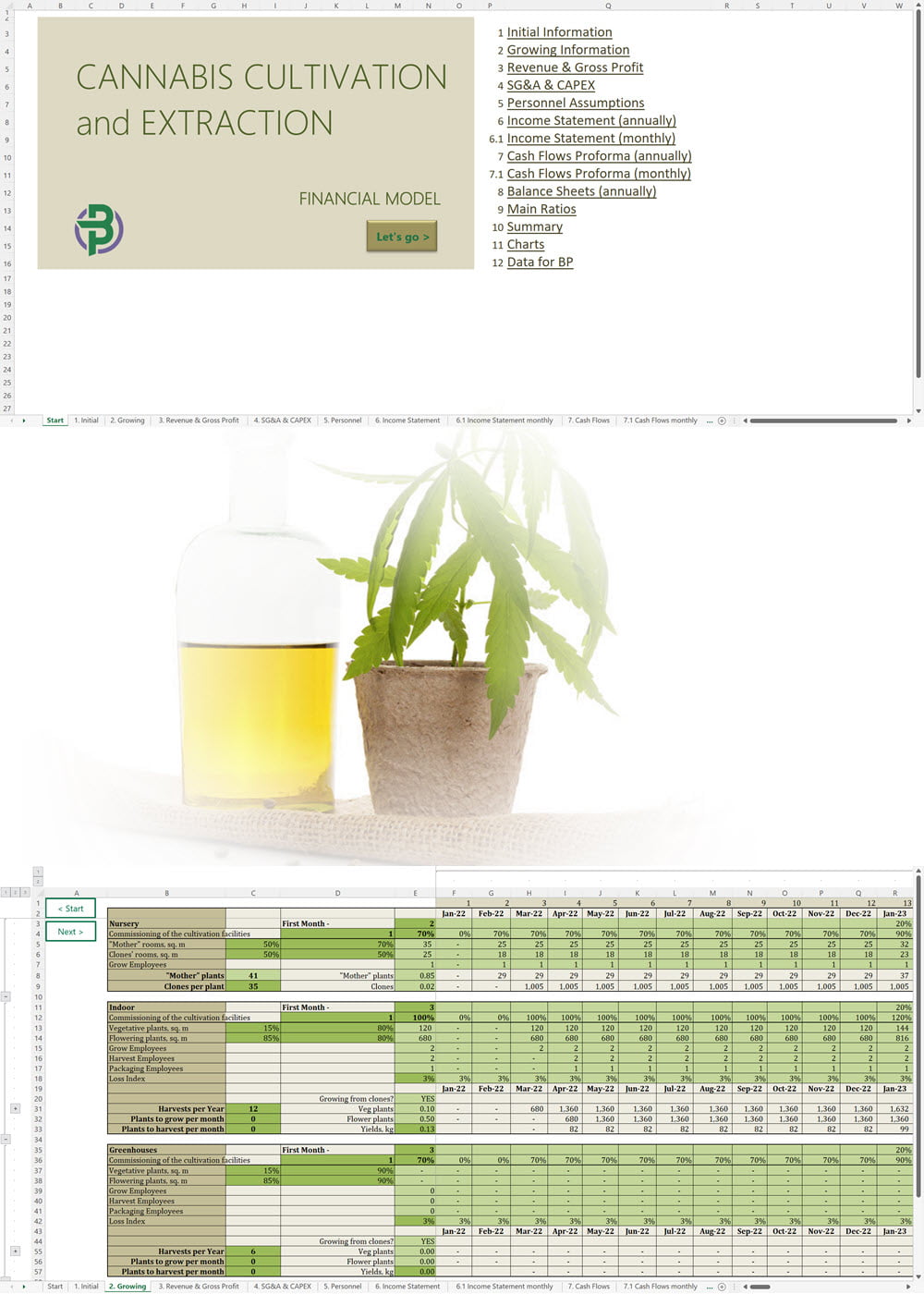
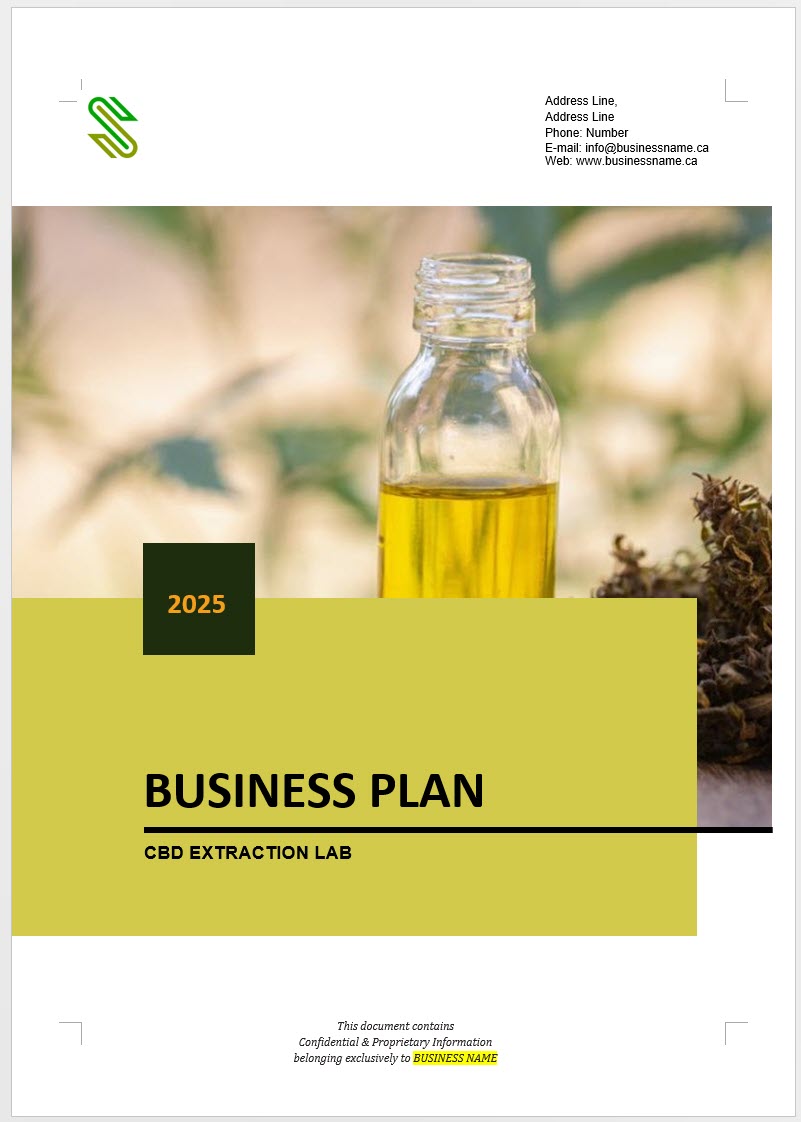
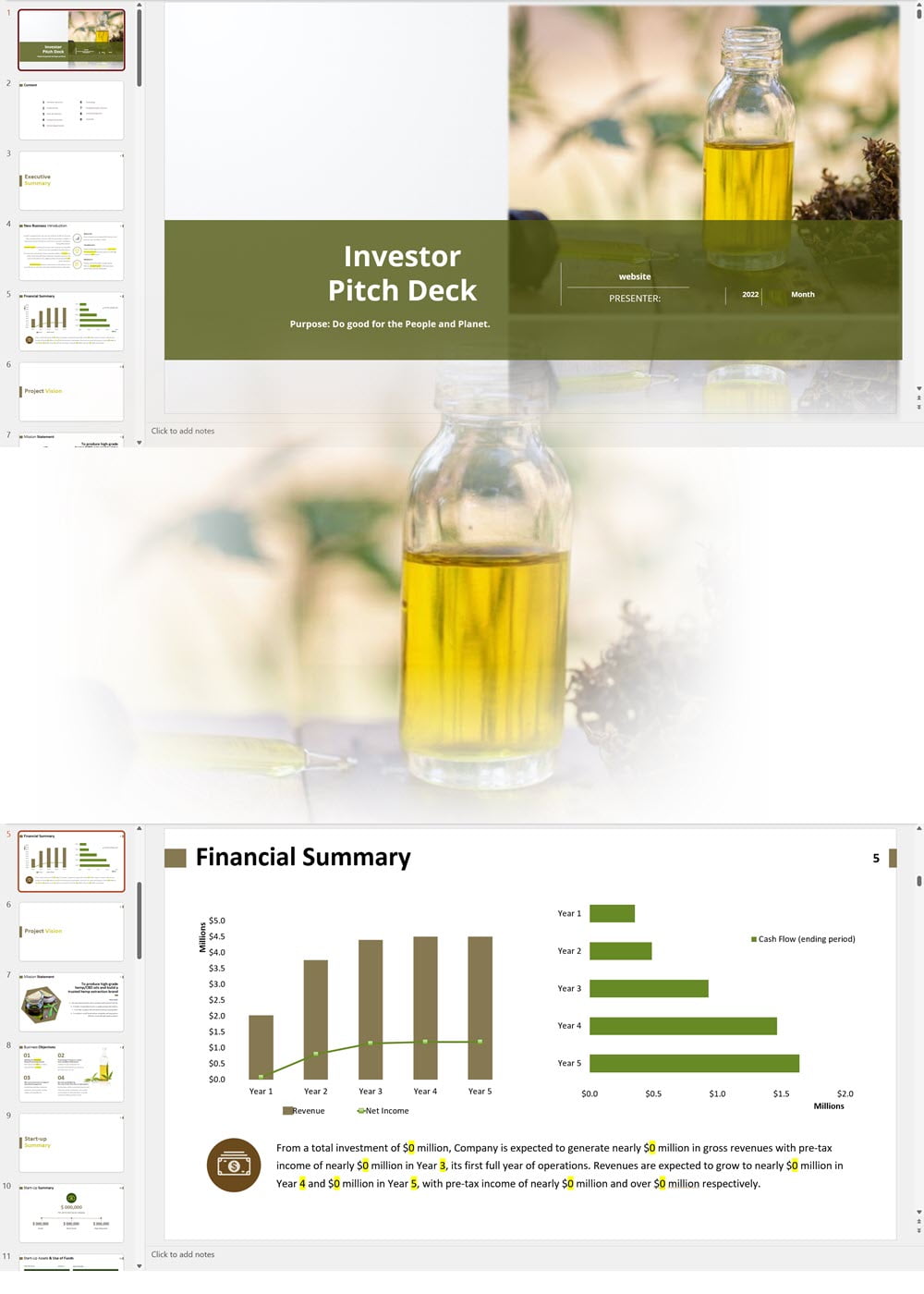
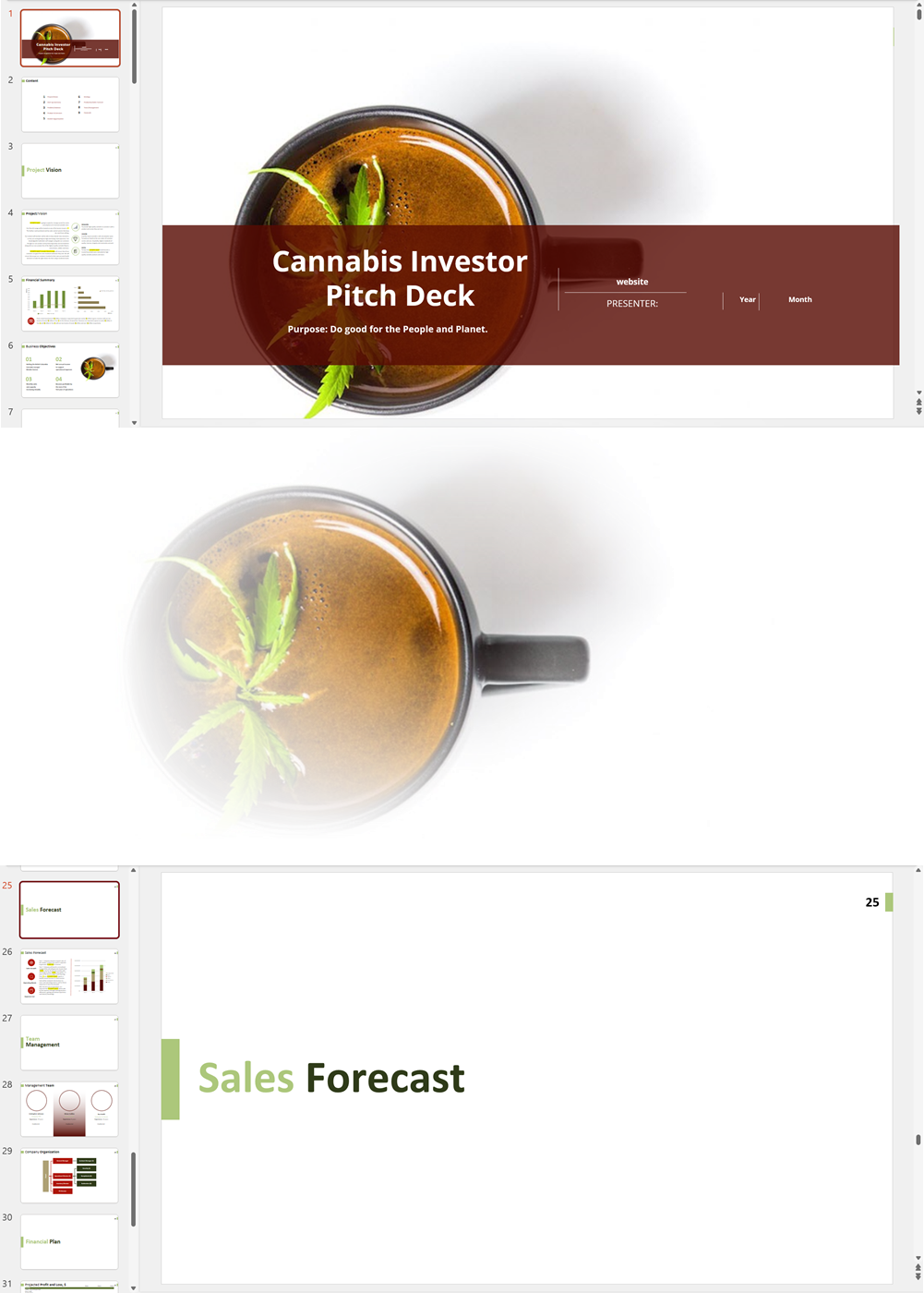
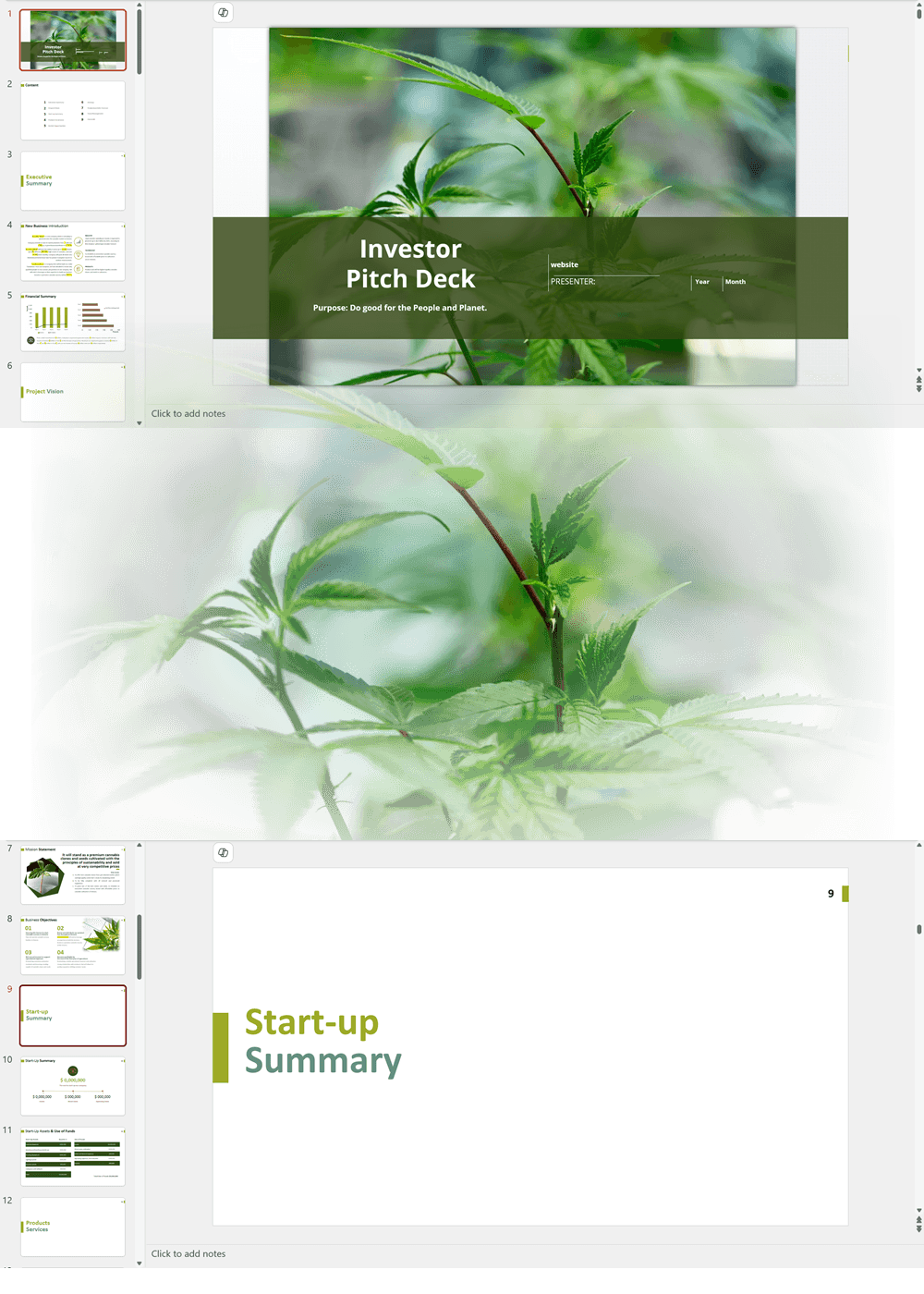
Our hemp/CBD financial models and business plan templates will help you estimate how much it costs to start and operate your own hemp/CBD business, to build all revenue and cost line-items monthly over a flexible seven year period, and then summarize the monthly results into quarters and years for an easy view into the various time periods. We also offer investor pitch deck templates.
For more information on the hemp industry, visit hempcbdbusinessplans.com.
Our Templates
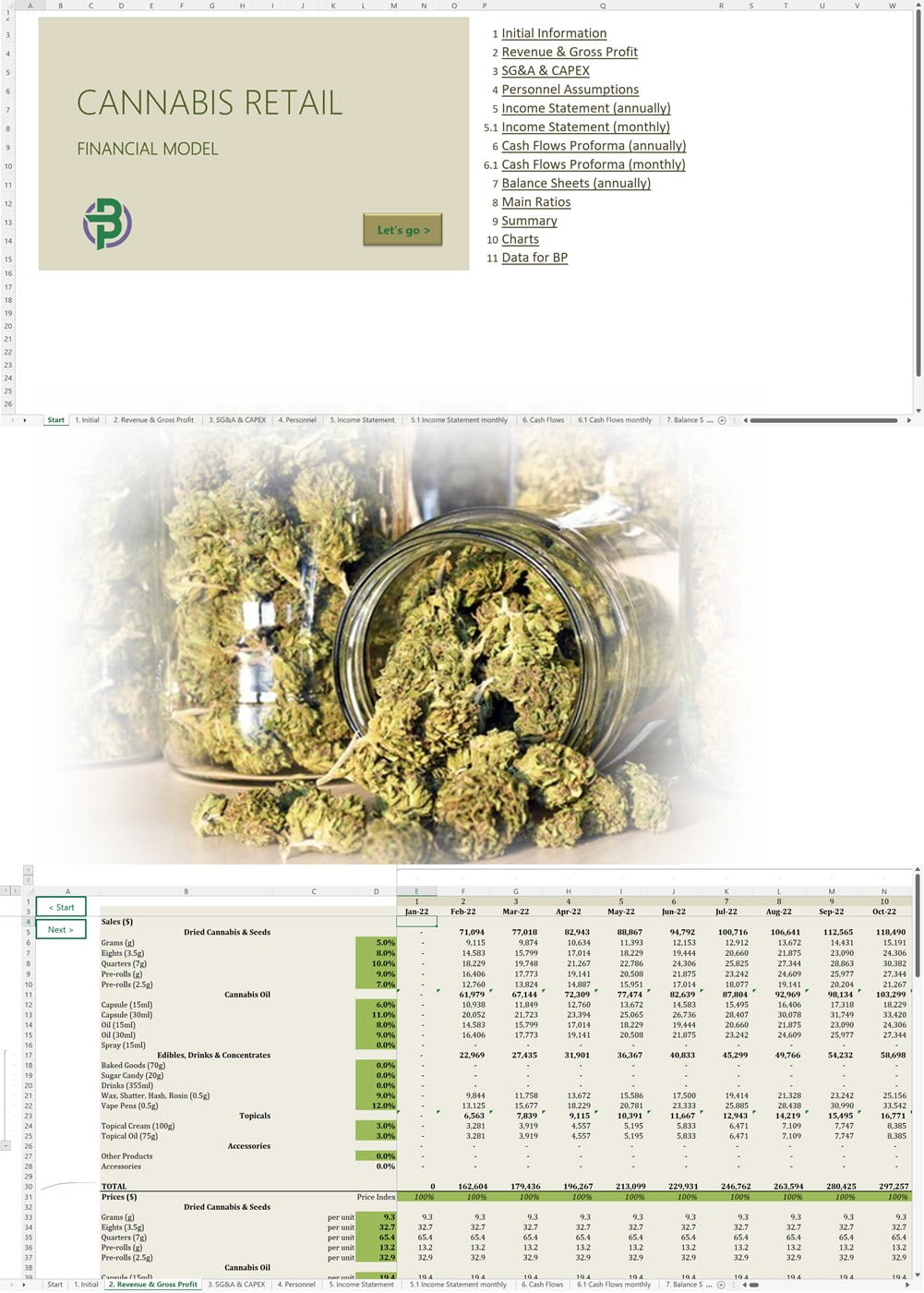
Cannabis Retail Financial Model
$200.00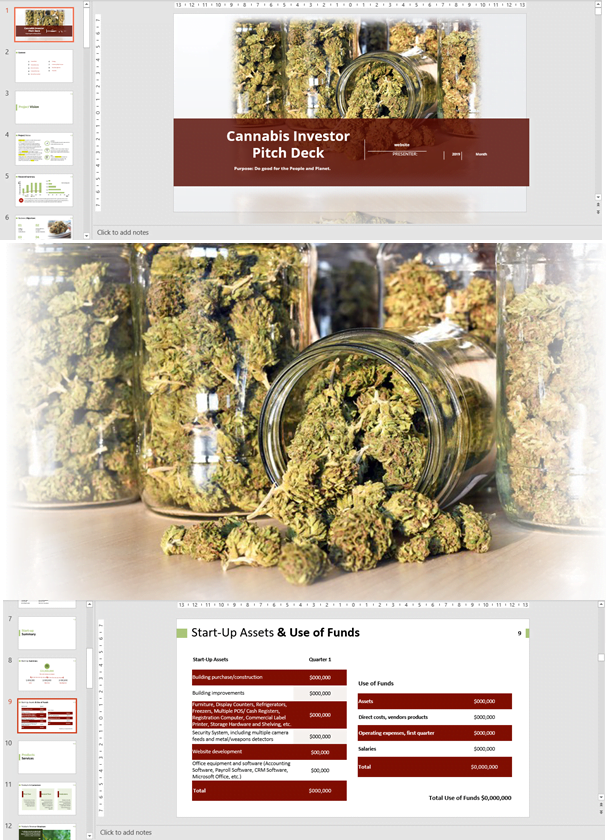
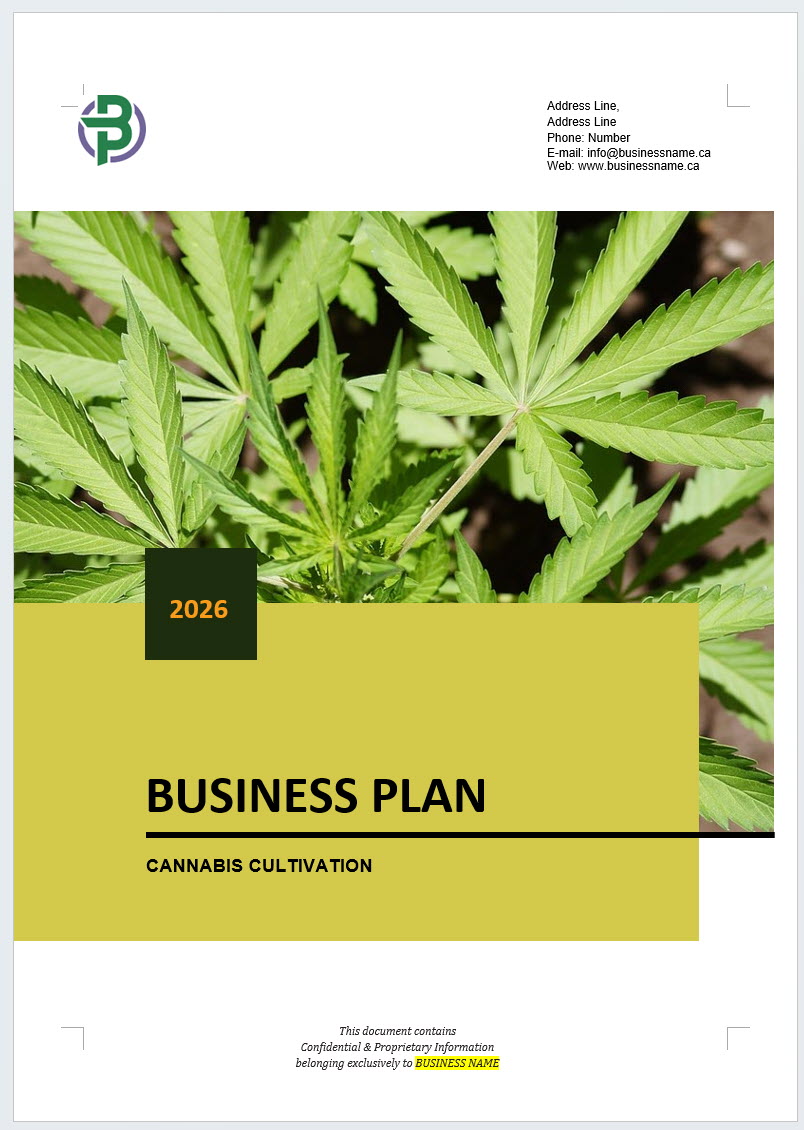
Cannabis Micro Cultivation Business Plan Template
Price range: $100.00 through $350.00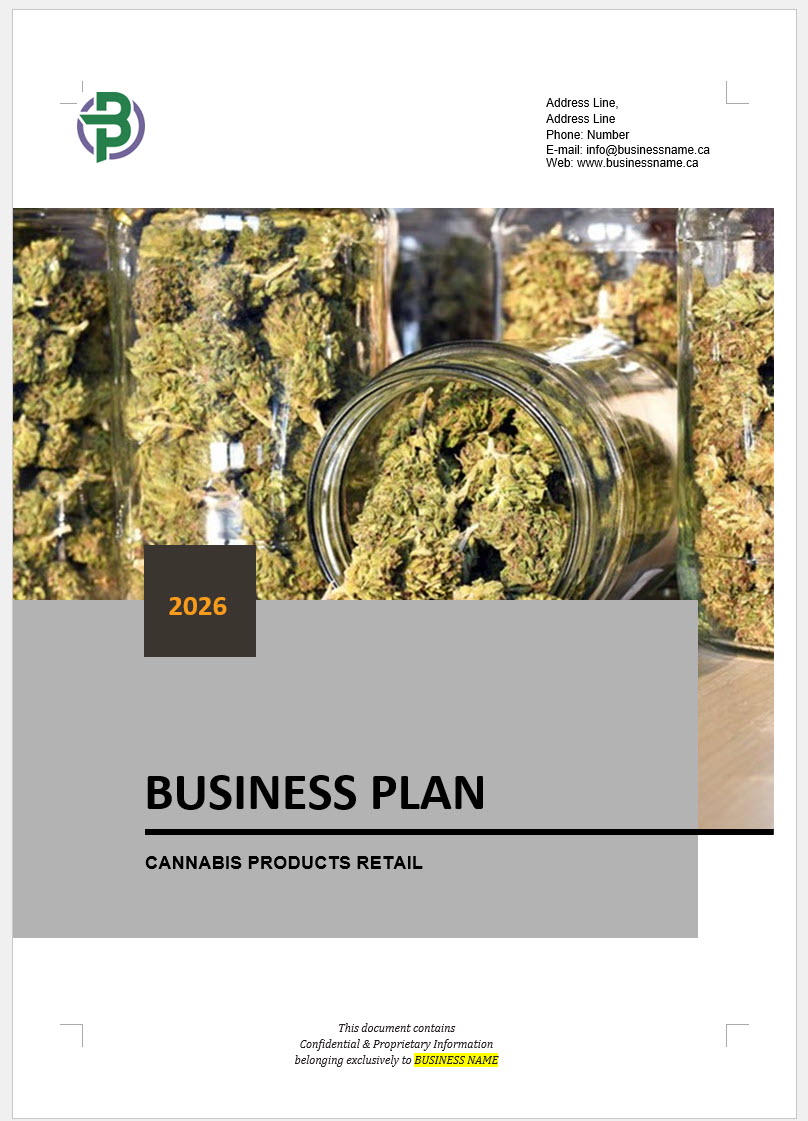
Cannabis Retail Business Plan Template
Price range: $100.00 through $450.00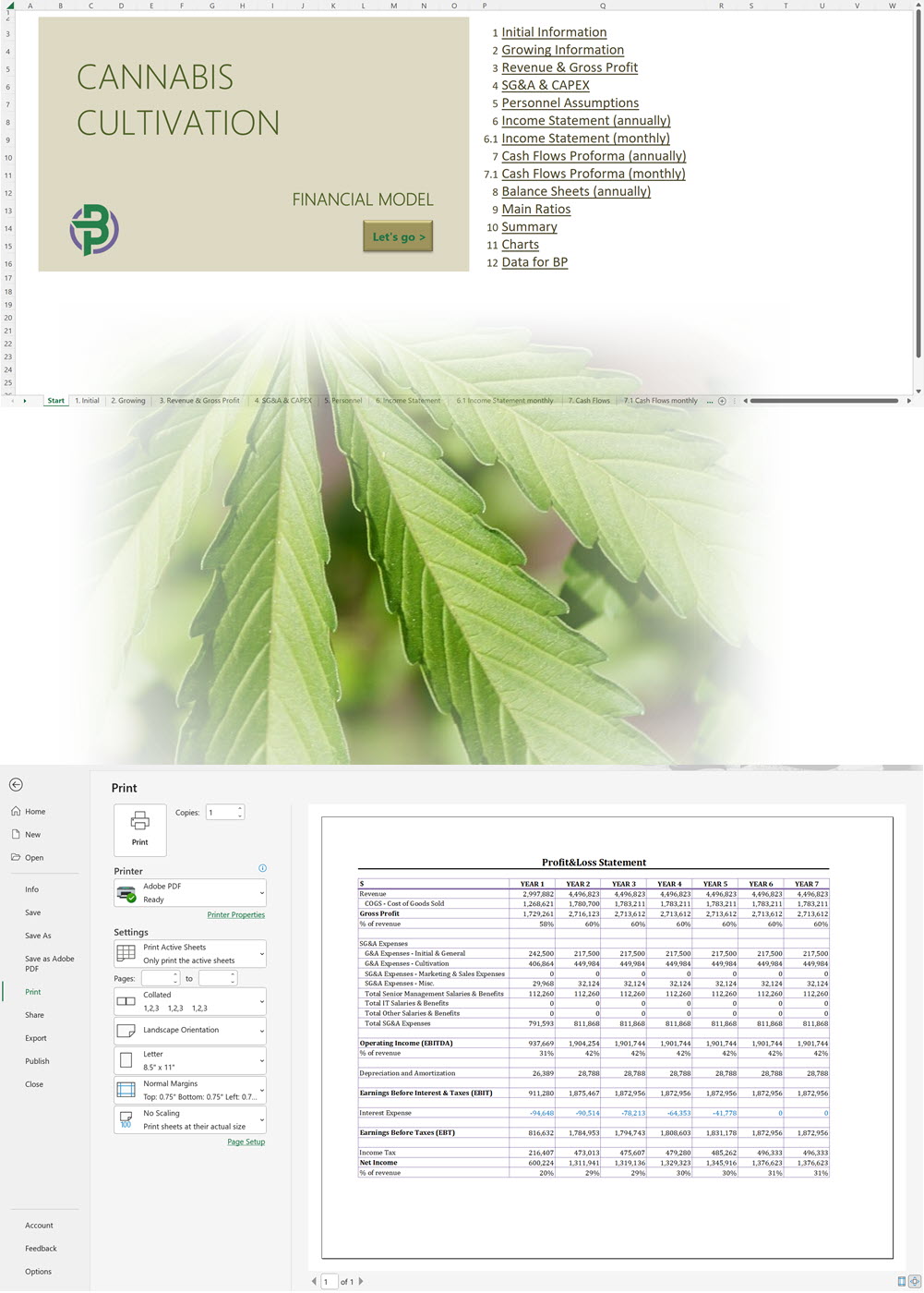

Cannabis Micro Cultivation Project Plan Template
Price range: $0.00 through $100.00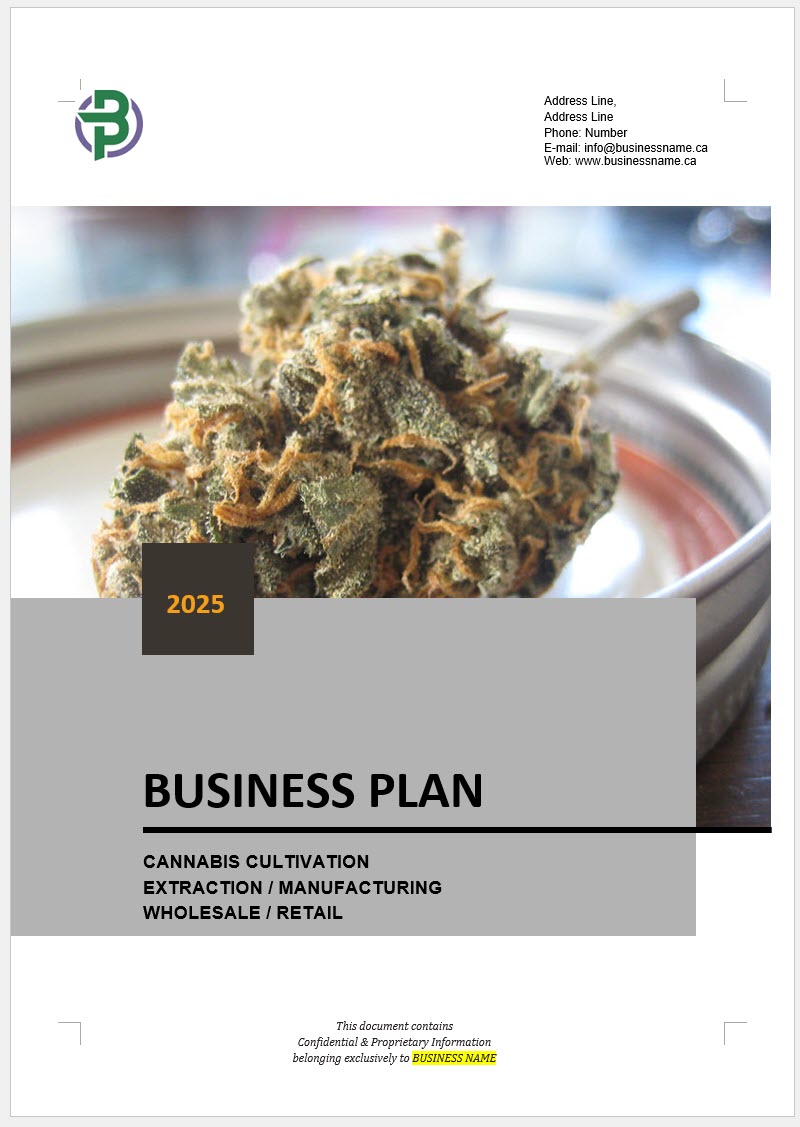
Cannabis Cultivation, Extraction, Manufacturing, Wholesale and/or Retail Business Plan Template
Price range: $100.00 through $550.00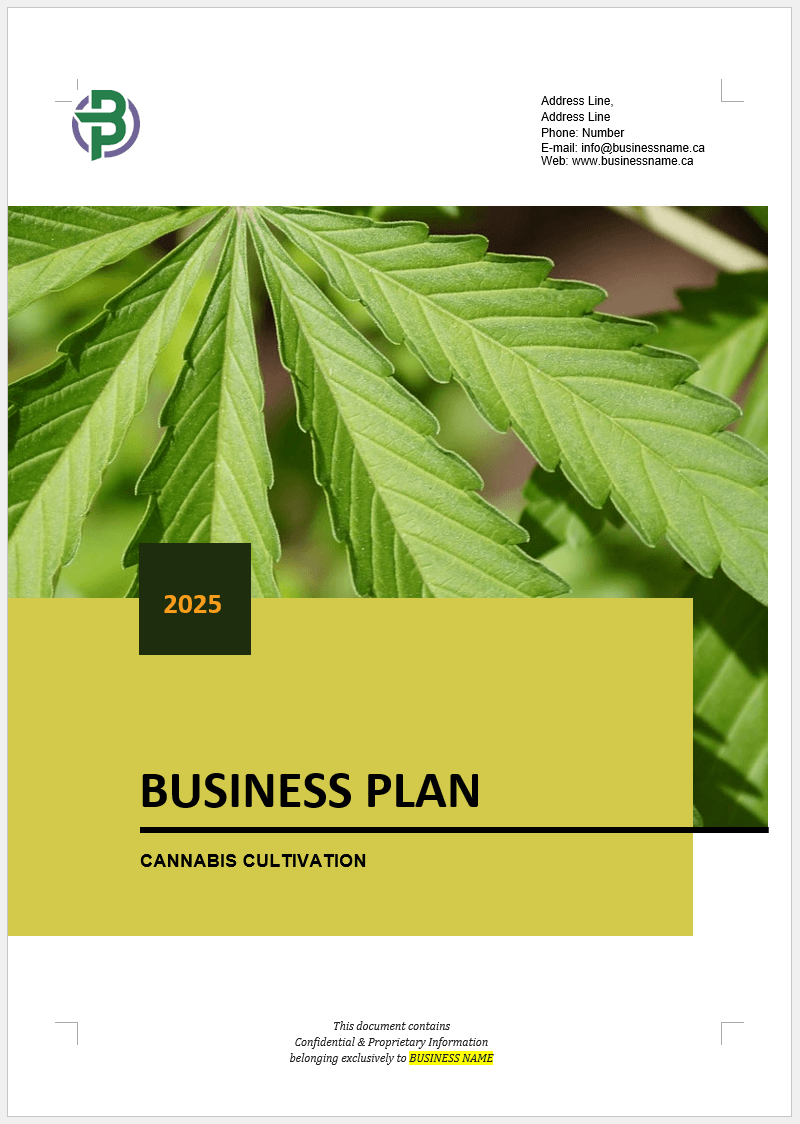
Cannabis Cultivation Business Plan Template
Price range: $100.00 through $450.00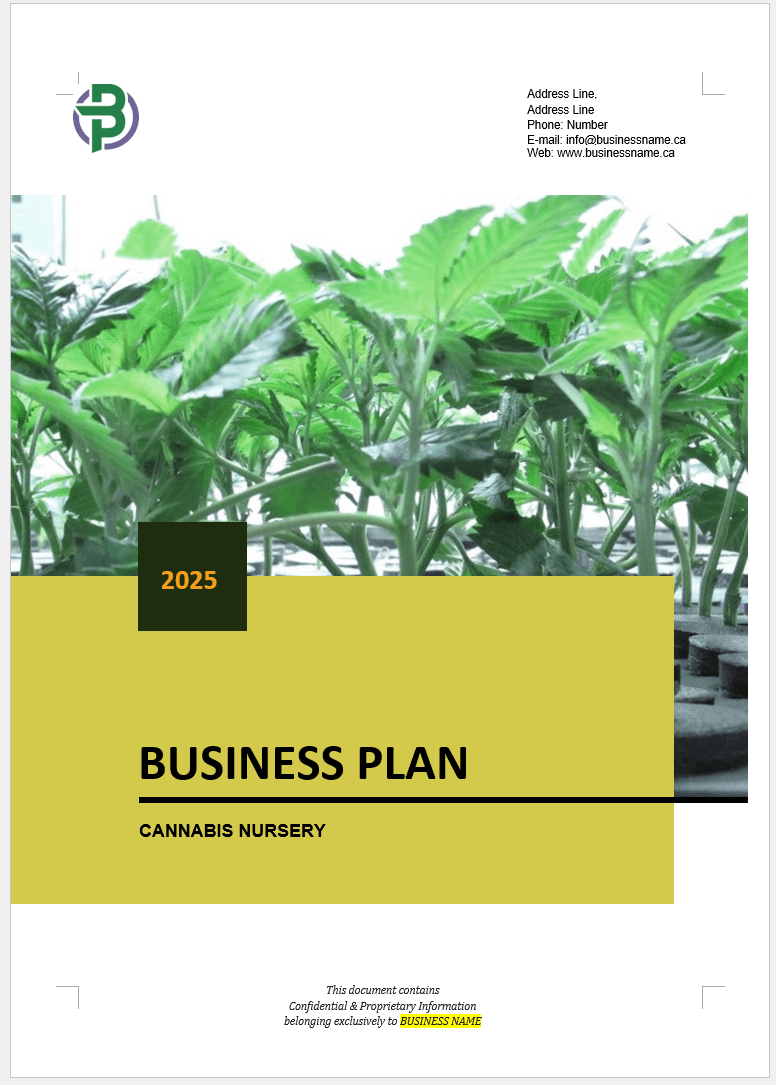
Cannabis Clones/Seeds Nursery Business Plan Template
Price range: $100.00 through $350.00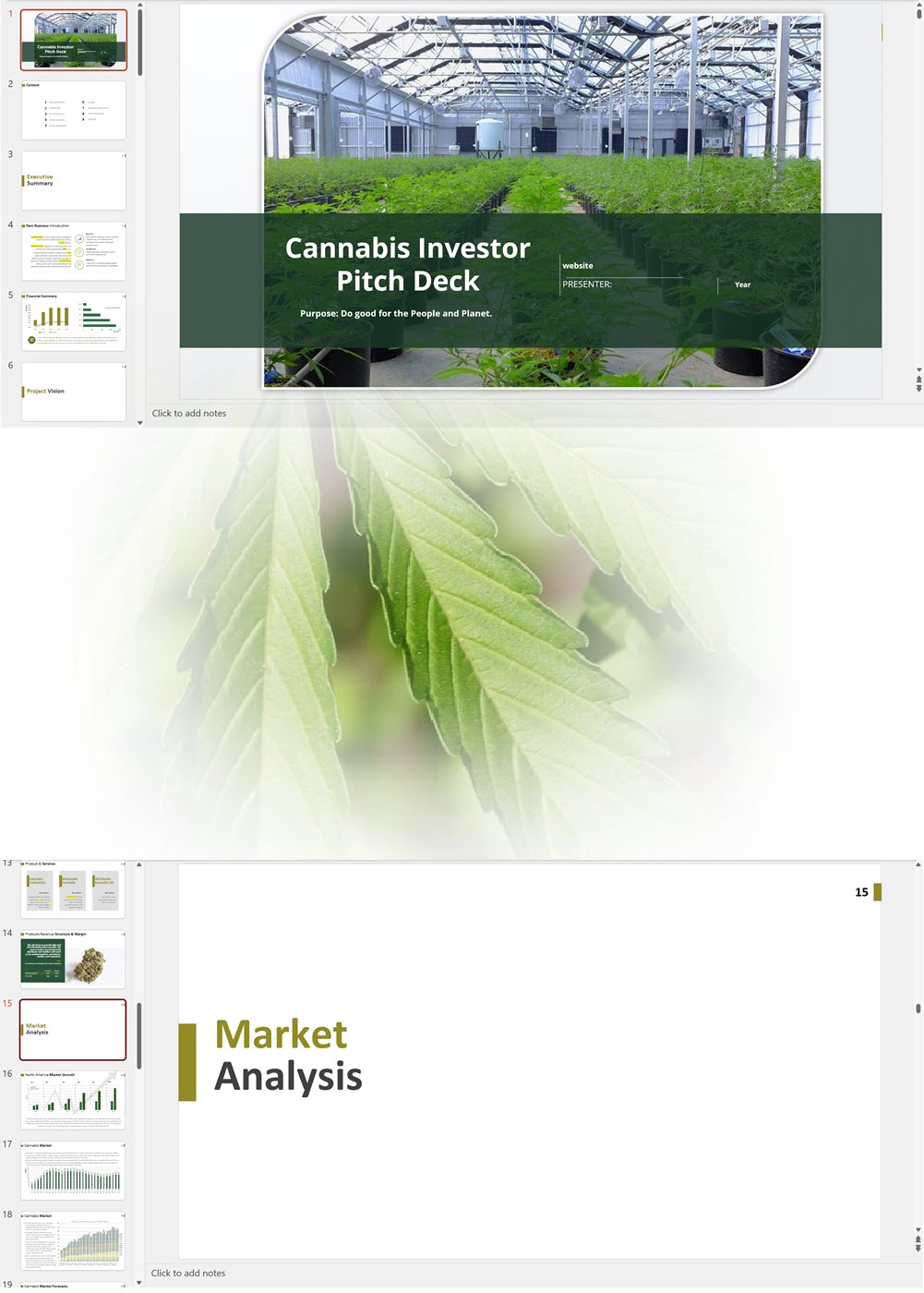
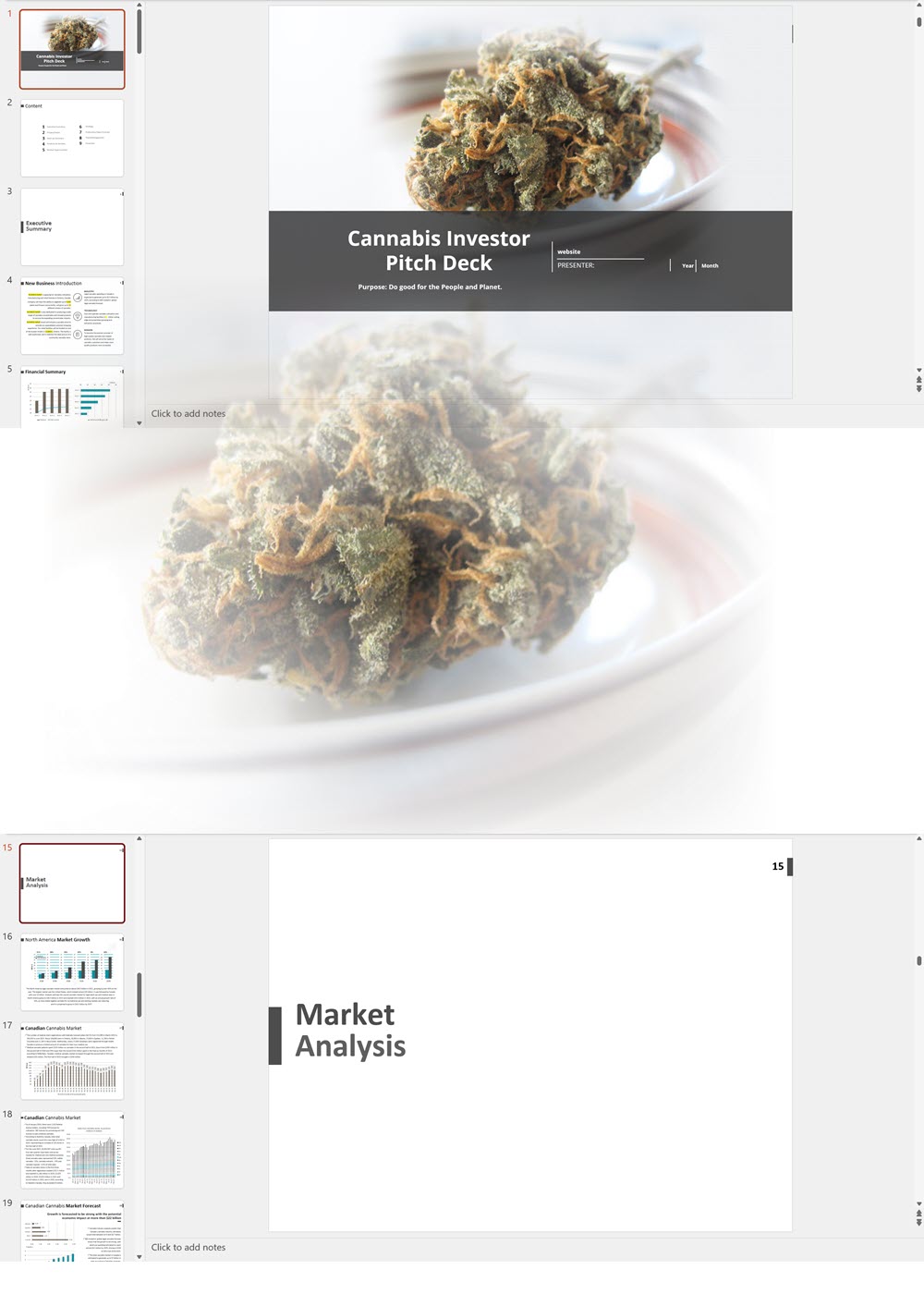
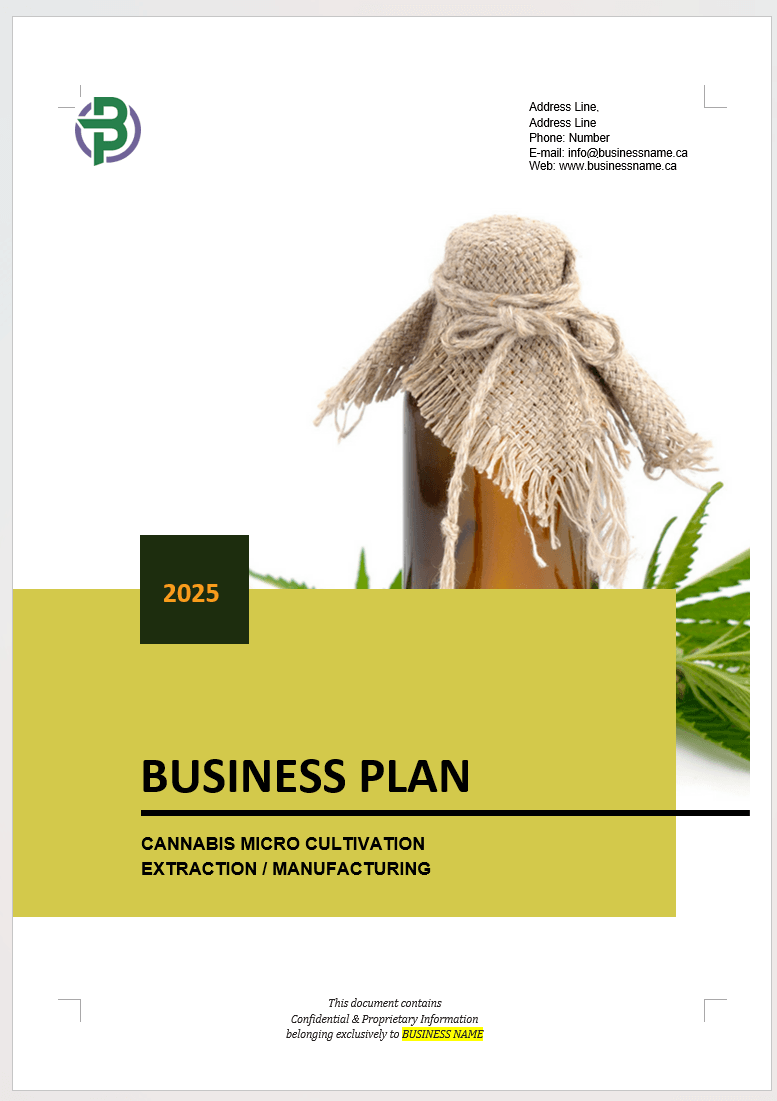
Cannabis Micro Cultivation + Processing Business Plan Template
Price range: $175.00 through $400.00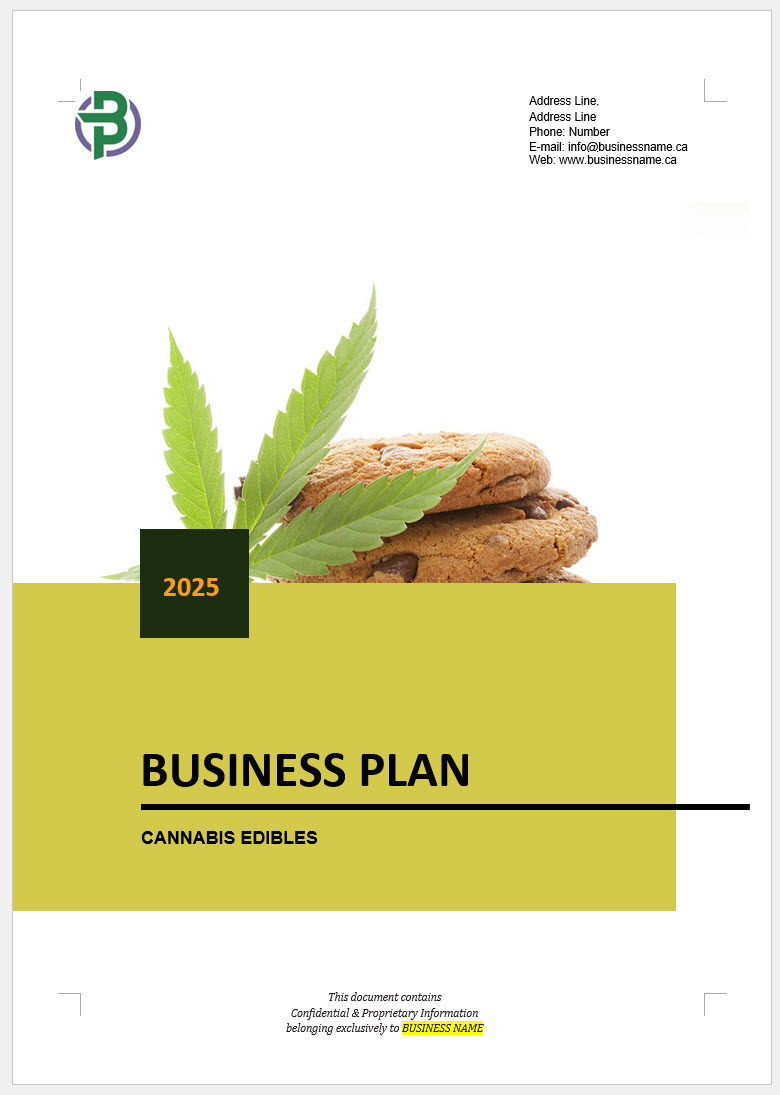
Cannabis Edibles Business Plan Template
Price range: $100.00 through $400.00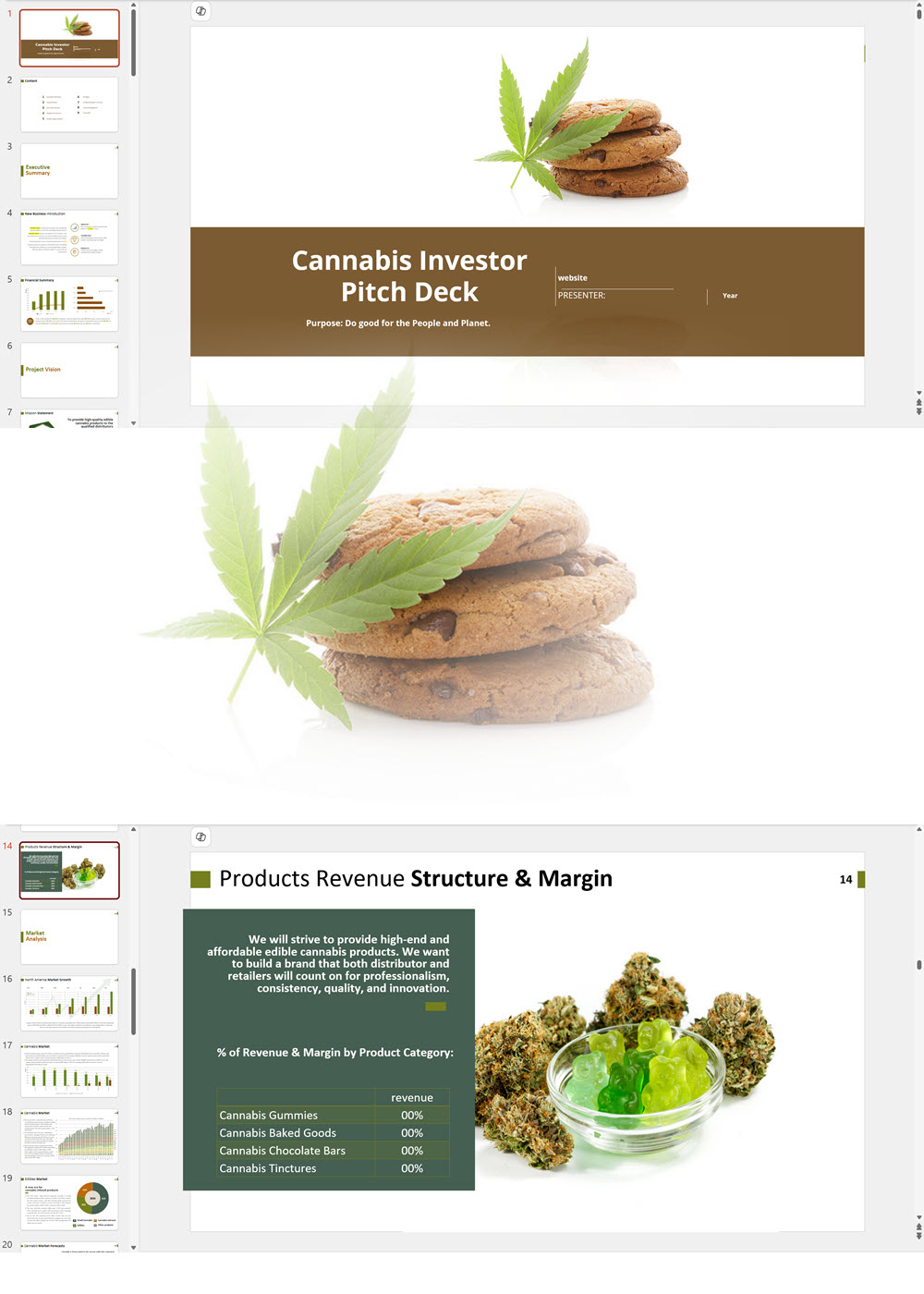
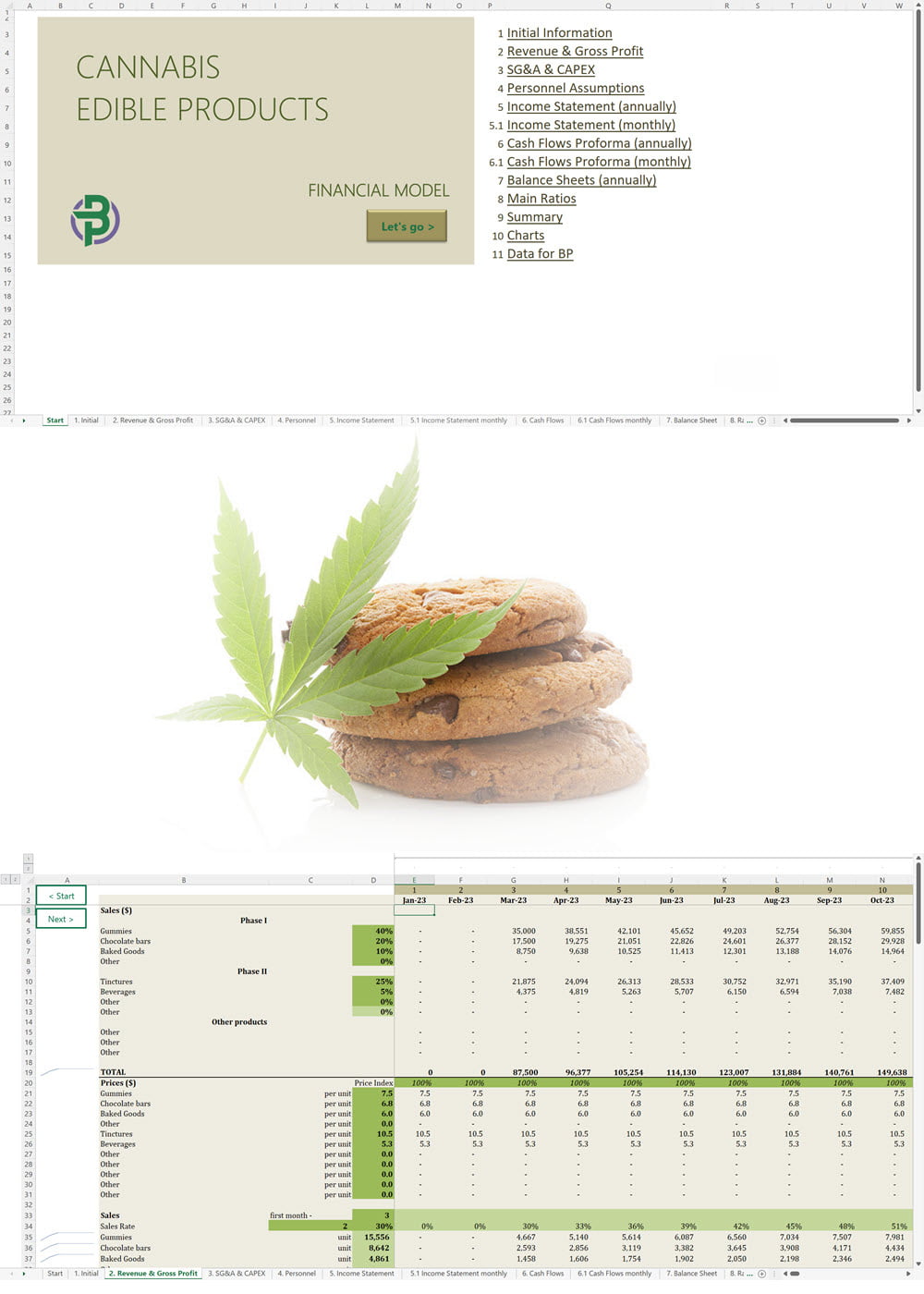
Cannabis Edibles Financial Model
$175.00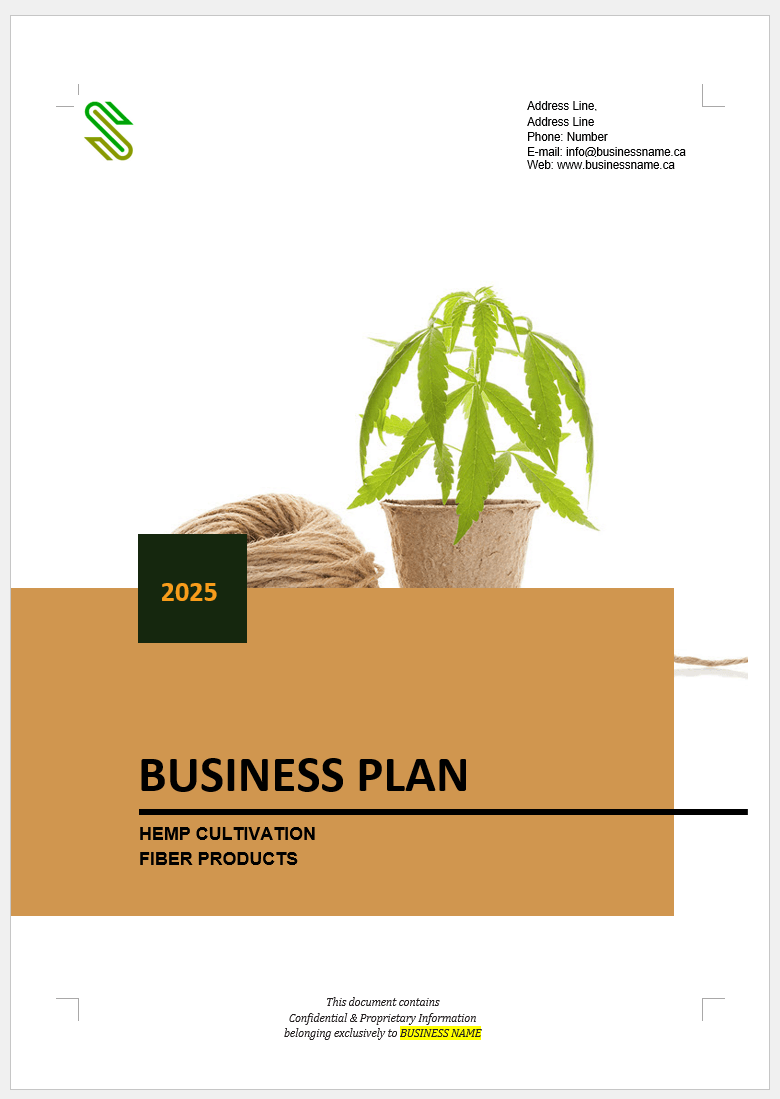
Hemp Fiber Manufacturing Business Plan Template
Price range: $100.00 through $300.00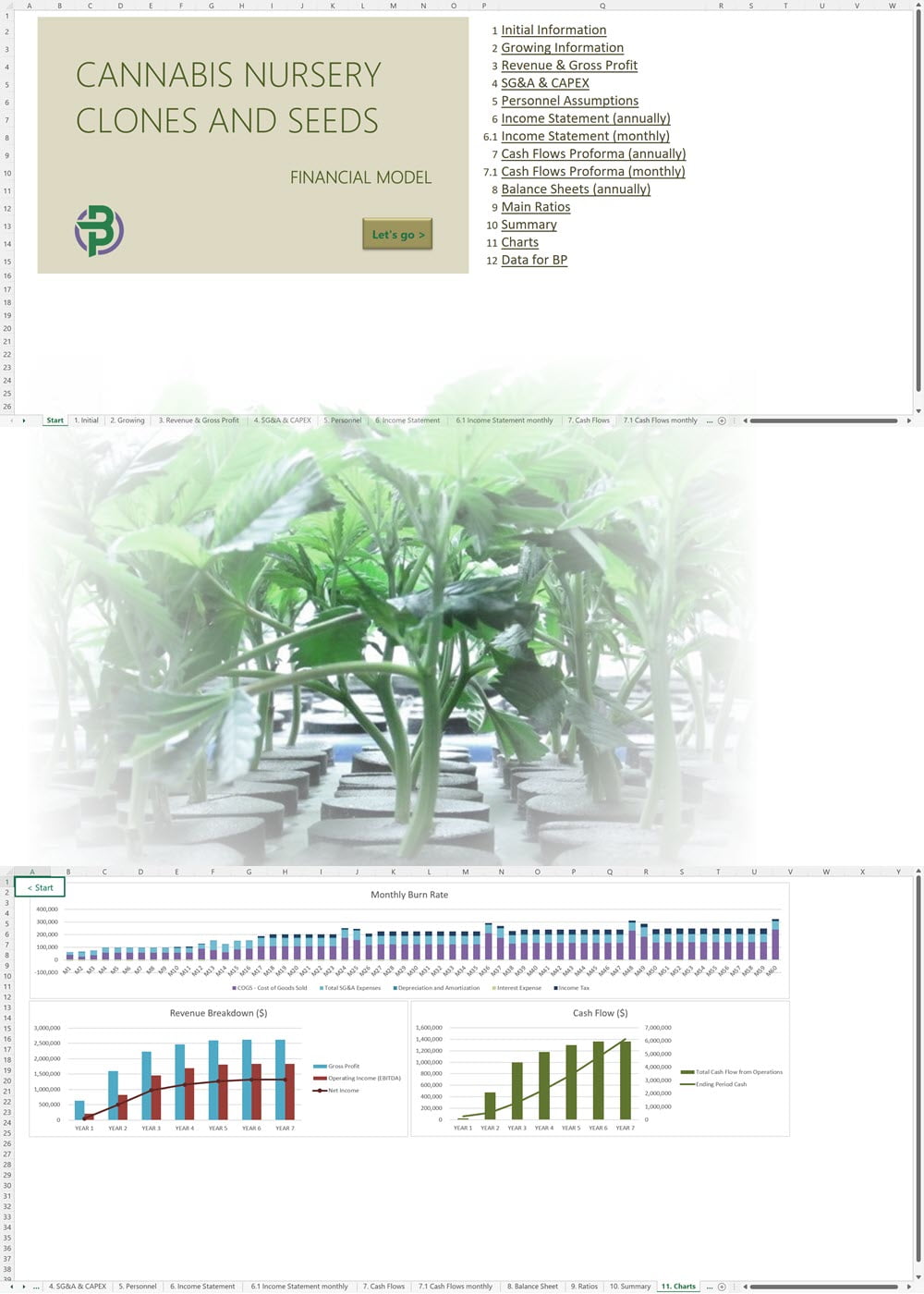
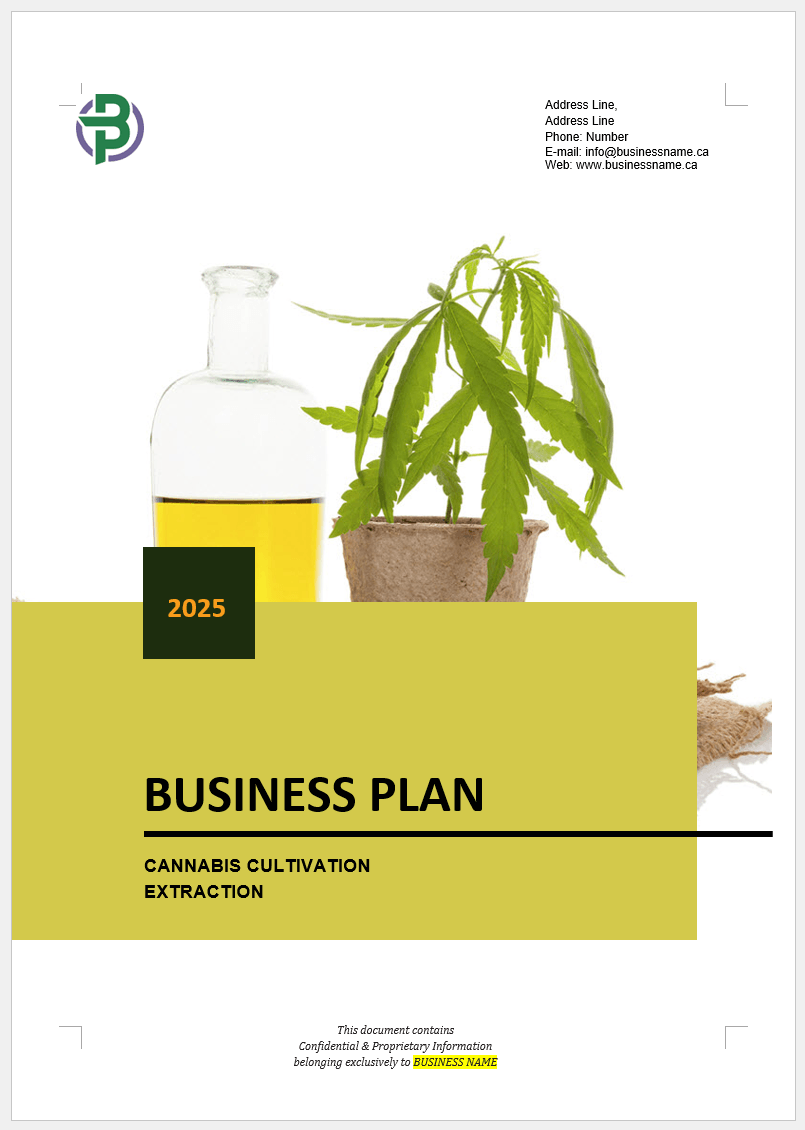
Cannabis Cultivation + Extraction / Concentrates Business Plan Template
Price range: $100.00 through $600.00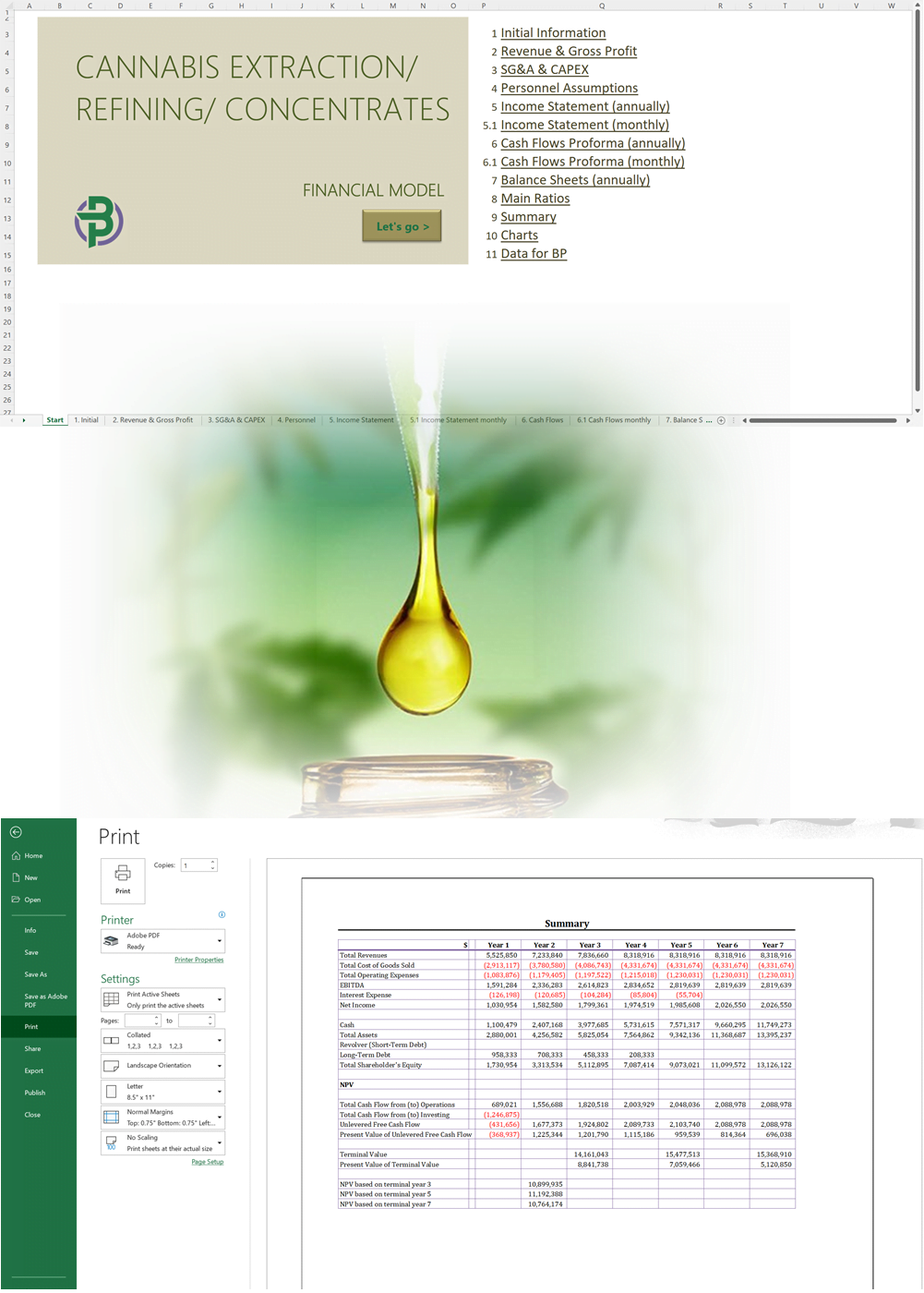
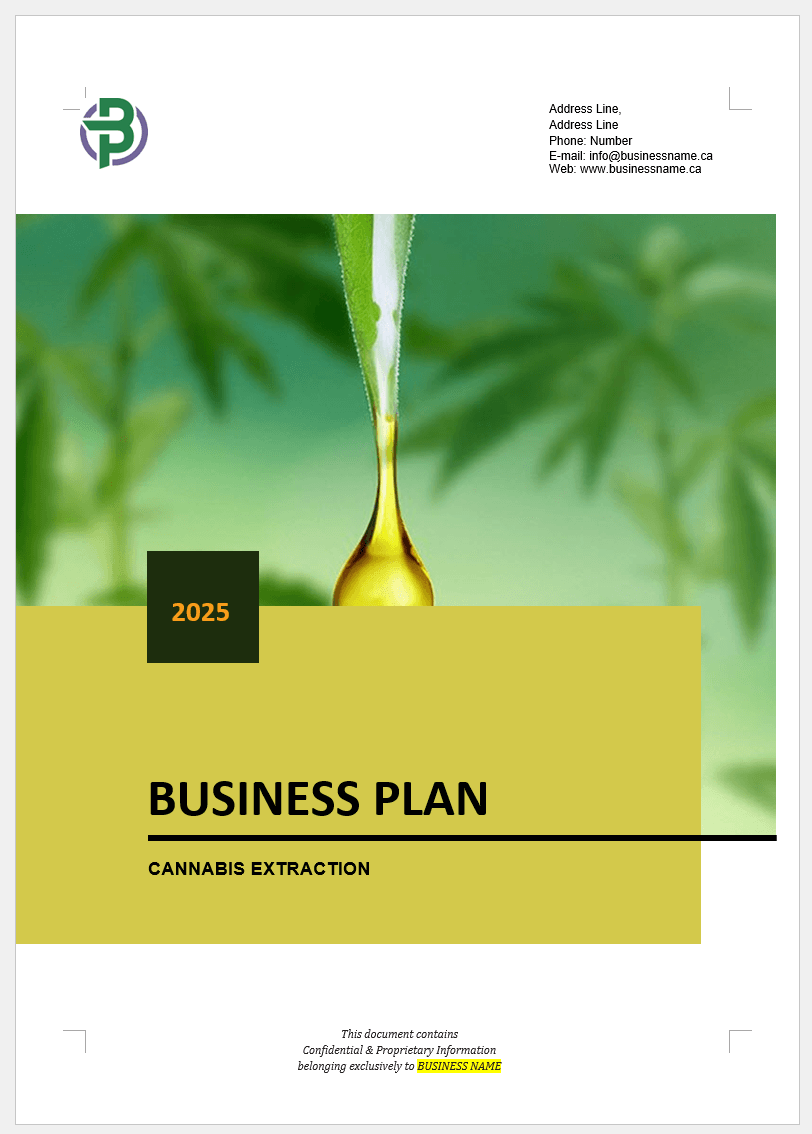
Cannabis Extraction/Concentrates Business Plan Template
Price range: $100.00 through $450.00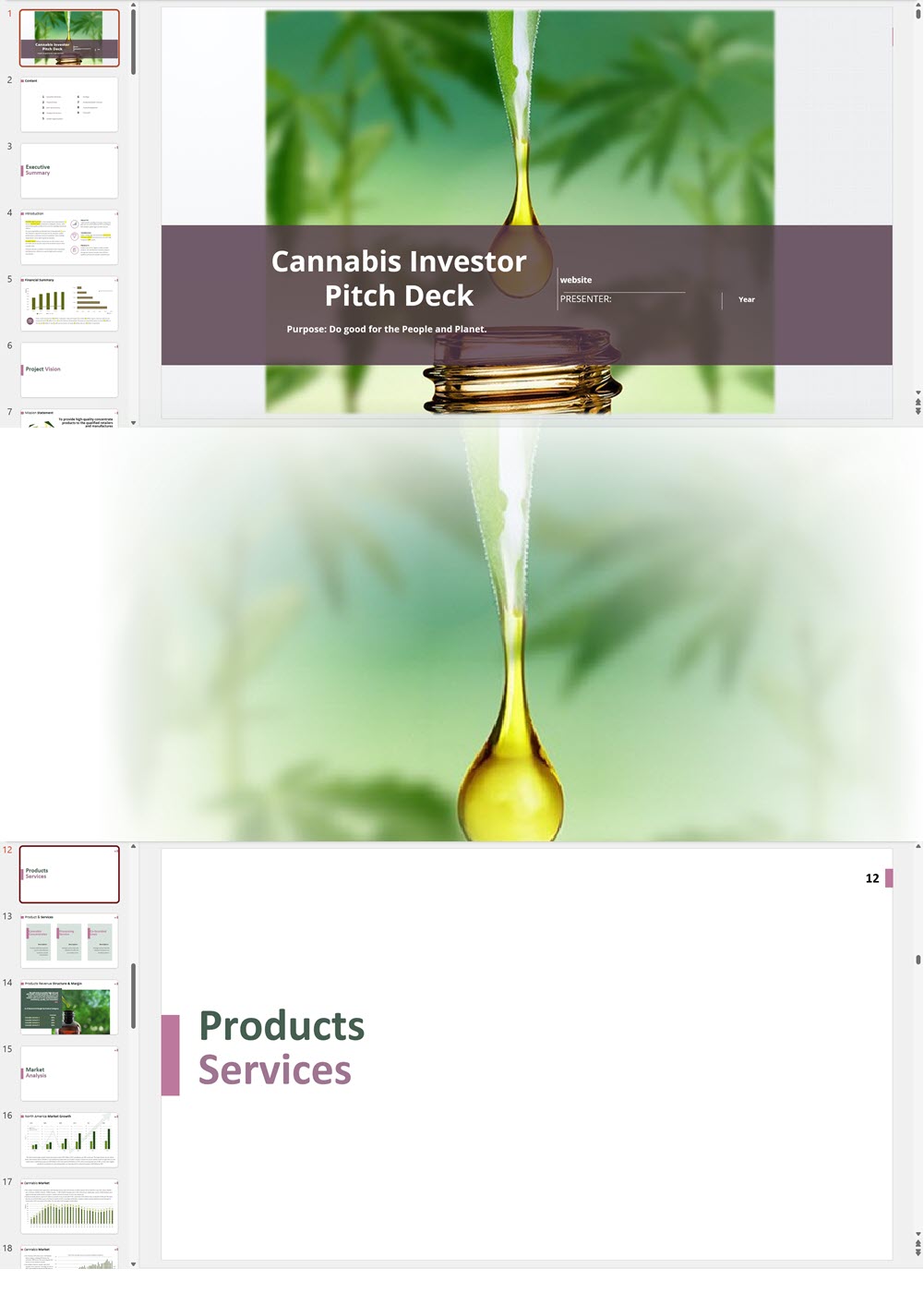
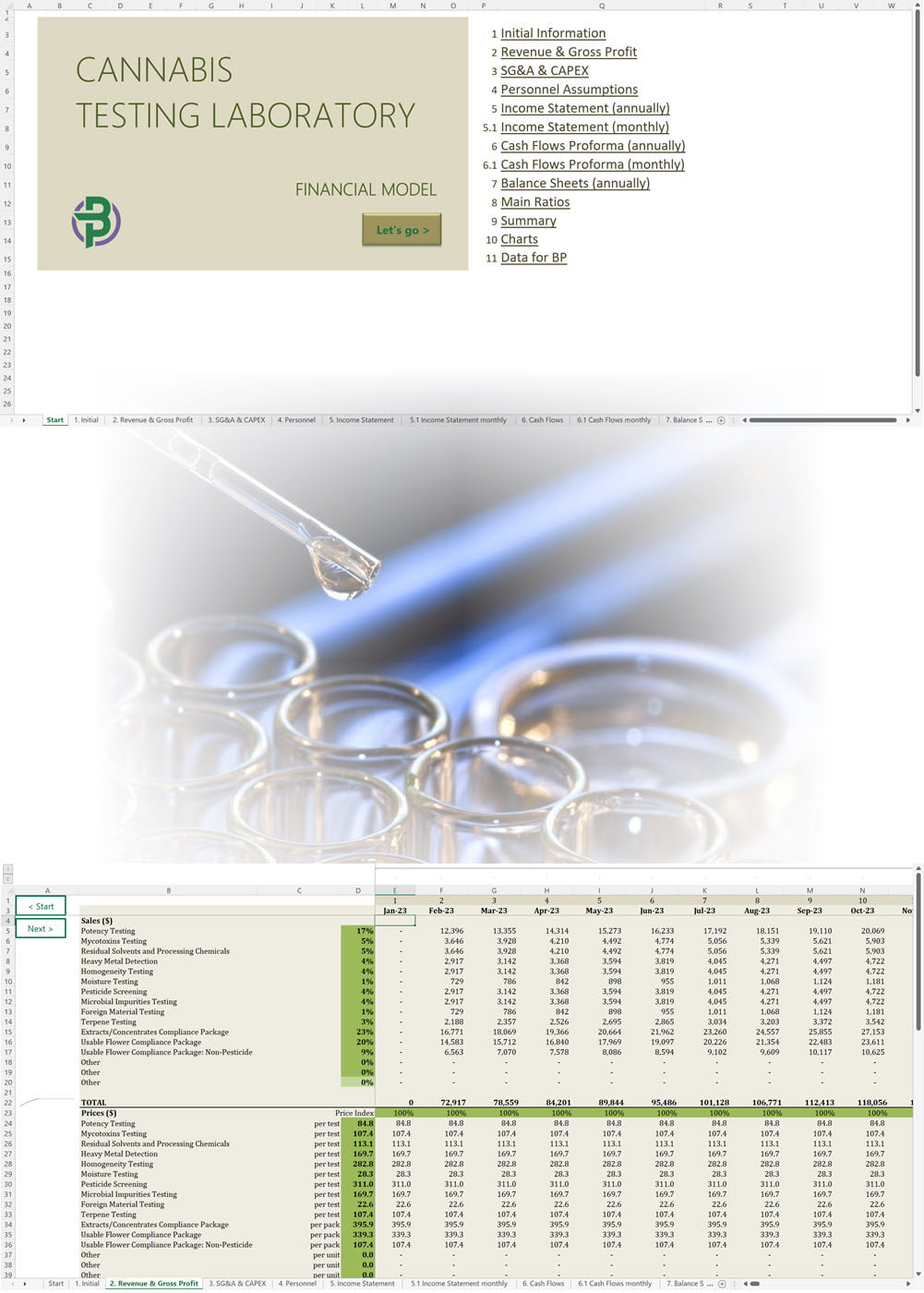
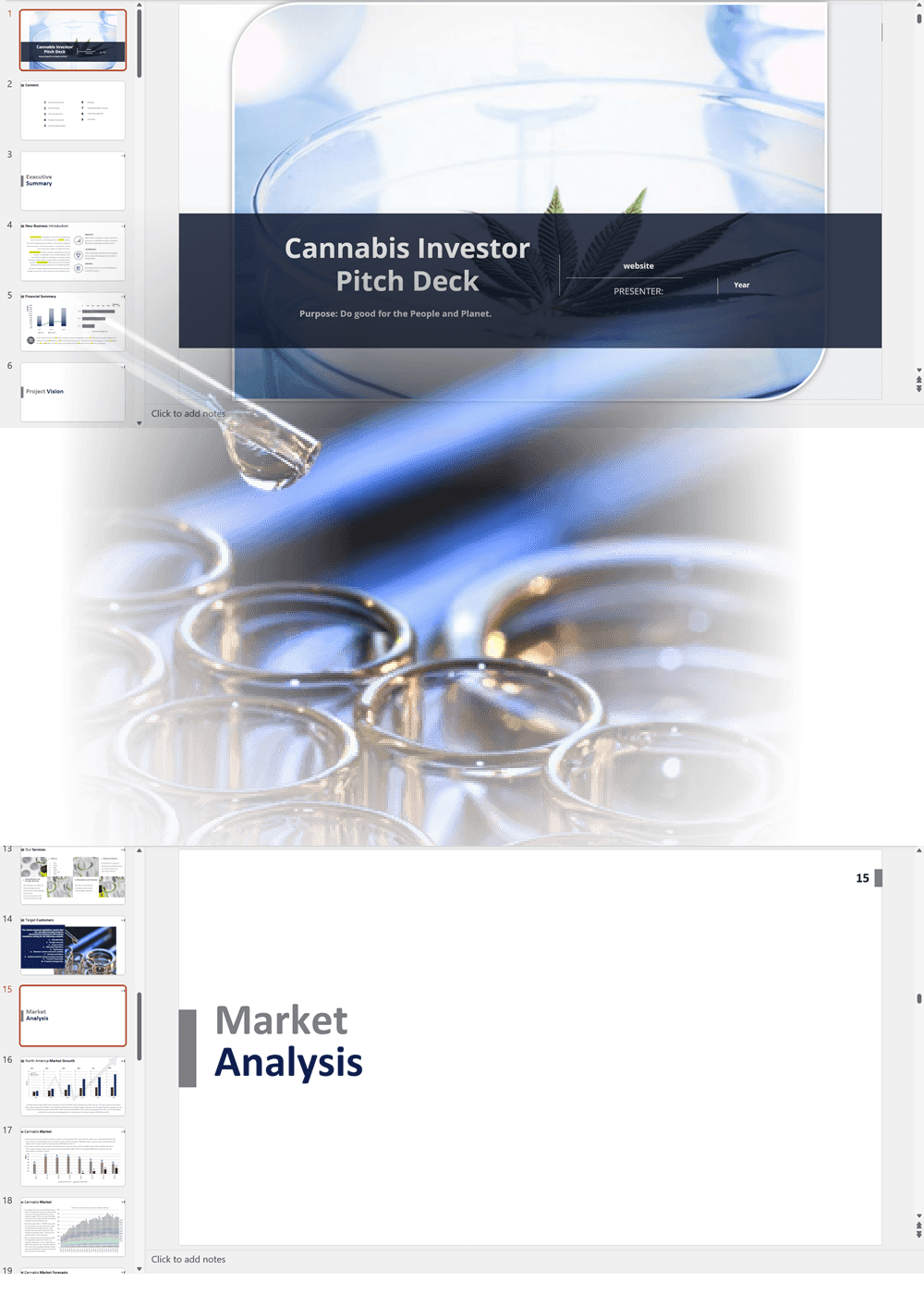
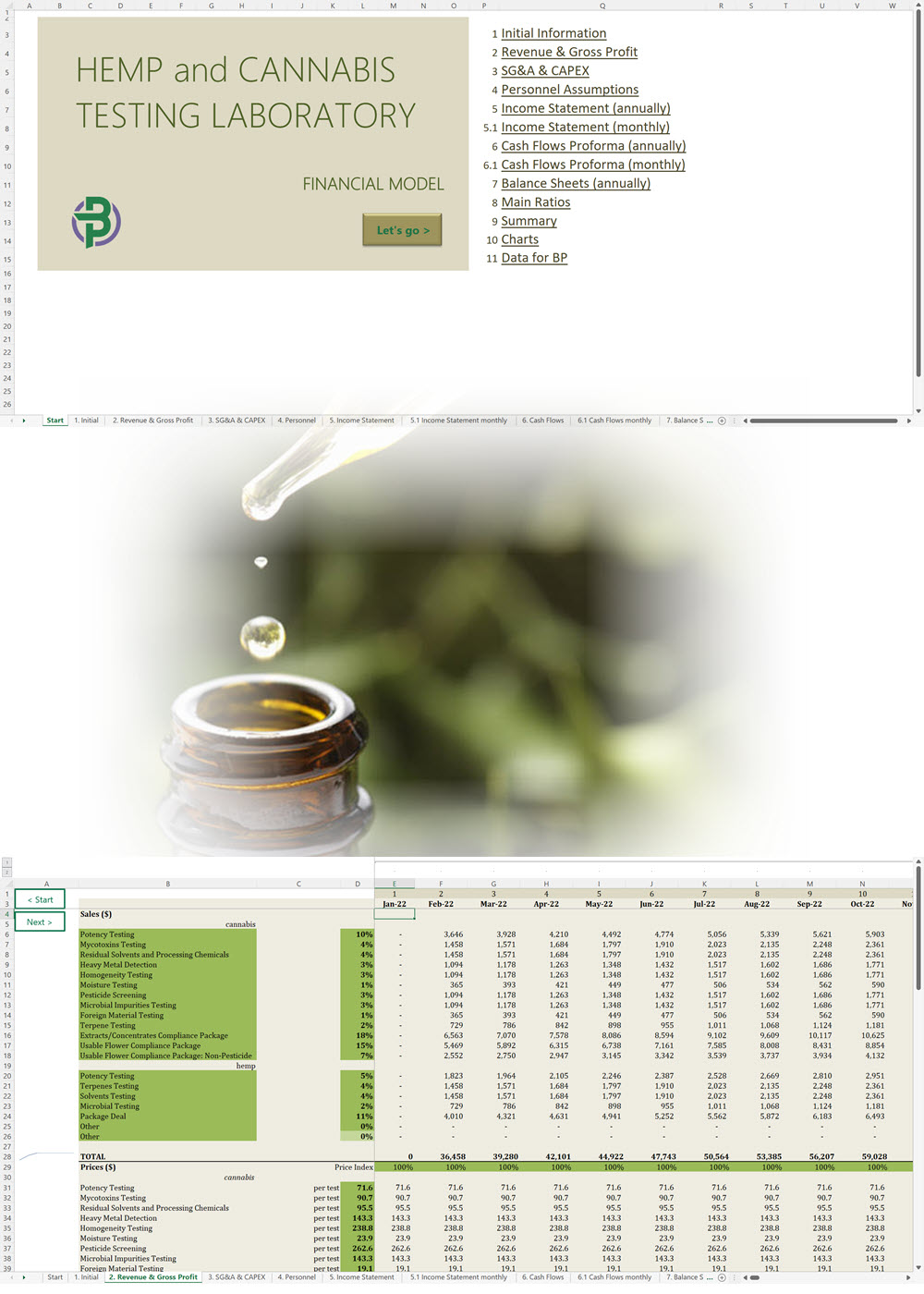
Cannabis Testing Laboratory Business Plan Template
Price range: $100.00 through $350.00