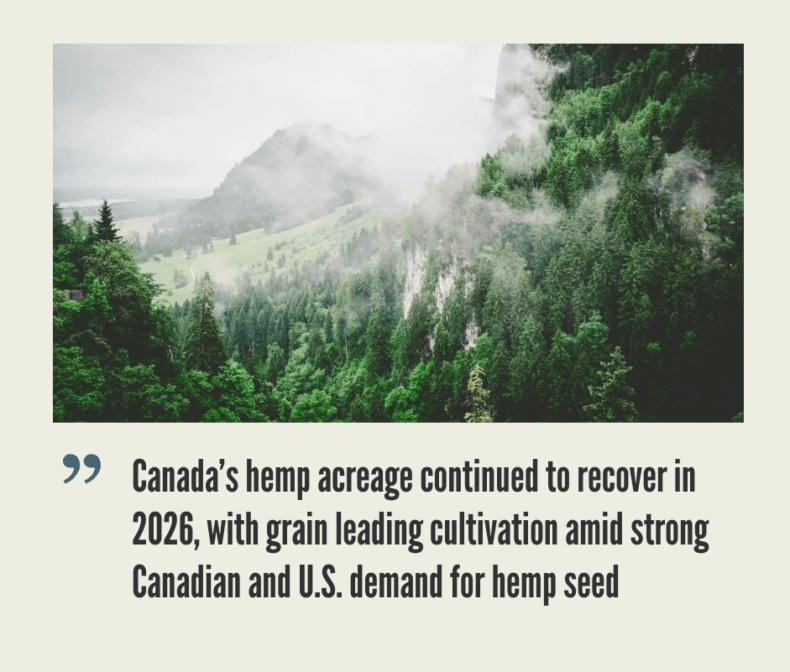
Key Takeaways: Canada Hemp Industry Landscape (2026)
- Federal Framework: The Cannabis Act defines industrial hemp at ≤0.3% THC. Industrial hemp cultivation requires an industrial hemp licence. An industrial hemp licence permits the intra-industry sales of flowers, leaves, branches, or the whole plant, but does not authorize the processing of those plant parts – a cannabis licence is required for CBD extraction. No licence is required to handle certain hemp-derived materials, such as non-viable seed and bare stalks.
- Preliminary 2026 Rebounds to ~42K Acres: Early 2026 estimates show planted area recovering to approximately 42,000 acres, signalling renewed producer confidence following market contractions in 2023 and 2024.
- Alberta Surges, Manitoba Consistently Strong: Alberta took the 2026 national lead with 40% of planted acres (a 78% YoY surge in its planted area), while Manitoba remains a strong national producer, following close behind with a 37% share.
- Agile Crop Mix: Cultivation focus has shifted yearly based on industry demand. In 2025, grain dominated total acreage, after high-value flower planting spiked in 2024 and then contracted in response to CBD market signals and U.S. food-grade seed demand.
- Dominant U.S. Hemp Grain Supplier: Canada is the undisputed top supplier of U.S. hemp seed for consumption, consistently accounting for over 90% of total U.S. imports (exceeding 3 million kilograms annually). Manitoba alone consistently accounts for 70%-80% of the annual imports of hemp seed for consumption into the U.S.
Hemp Legalization in Canada
Canada has become one of the world’s key industrial hemp markets, supported by a clear regulatory framework, strong agricultural capacity, and growing demand for hemp seed, fibre, and cannabinoid-derived products.
The regulations define industrial hemp as “cannabis plants whose leaves and flowering heads do not contain more than 0.3% THC.” Because industrial hemp is a cannabis plant, its cultivation requires an industrial hemp licence regardless of the intended end use – whether for grain, fibre, seed, or flower. Certain hemp-derived materials, such as a non-viable seed, mature stalks without any leaf, flower, seed or branches, and fibre derived from mature stalks, fall outside the scope of the Cannabis Act. As such, activities related to these plant parts, such as their processing or sale, would not require a cannabis licence. Further, as is currently the case under the Industrial Hemp Regulations, a licence would not be required for the sale of derivatives of seed and grain that contain 10 micrograms per gram of THC or less. It should be noted that production of products or derivatives from viable hemp grain (used to produce hemp seed oil and hulled hemp seed for example) does require an industrial hemp licence.
In 2018, the Cannabis Act and the new Industrial Hemp Regulations set out clear guidelines for hemp. The Cannabis Act clears the way for whole hemp plant utilization. Industrial hemp licences authorize the intra-industry sale of leaves, flowers and branches (or the whole plant). That means licensed industrial hemp producers can sell the flower to someone who has permits to process and sell CBD.
Only seeds of approved industrial hemp varieties found in the List of Approved Cultivars can be used for industrial hemp cultivation.
Canada’s Commercial Hemp Industry
Cultivation Stats
Canada began to issue licences for research crops in 1994, followed by commercial licences starting in 1998. Since hemp cultivation was legalized in Canada, production has fluctuated from year to year but has generally trended upward, partly due to rising import demand from the United States. It reached about 48,000 planted acres in 2006, fell to around 8,000 acres in 2008, rose to 67,000 in 2013, and then declined sharply to 33,000 acres in 2016. In 2017, acreage in hemp cultivation and production rose sharply – reaching a record of 138,000 acres.
In 2019 91,100 acres of industrial hemp were planted, a record high since the Cannabis Act came into force in 2018. After falling 72% to 53,000 acres in 2020, planted area recovered, reaching 62,276 acres in 2022. However, planted area then began to decline. According to the most recent data from Statistics Canada, only 36,500 acres of industrial hemp were planted in 2024. Manitoba accounted for around 39% of planted hemp acreage in 2024, followed by Alberta (26%) and Saskatchewan (19%).
After two years of consistent decline, 2025 planted hemp area rose modestly to 38,200 acres, suggesting that the market has stabilized from the previous oversupply. In 2025, Manitoba increased its share to nearly 42% while Alberta held steady at around 25%. According to preliminary 2026 estimates, approximately 42,000 acres of hemp were planted in 2026, continuing the recovery. Alberta led with 40% of the national planted area – its cultivation area for industrial hemp surging by 78% from 2025 – followed by Manitoba with 37%.
In 2023, nearly half of the cultivated area was dedicated to hemp grain, at approximately 26,000 acres, followed by fibre at around 8,000 acres, or about 15% of total planted area. In 2024, the focus shifted more toward hemp flower. The area planted for flower reached 11,384 acres, more than five times the area recorded in 2023. While grain hectarage remained dominant at over 20,000 acres, planted area for fibre slid to the third place with 4,600 acres, losing its spot to flower. In 2025, land cultivated for hemp grain rose by 53%, while flower and fibre area contracted. This shift reflected strengthening demand for hempseed foods in both Canadian and U.S. markets.
The number of cultivation licences has also varied from year to year, reaching a high of 560 licences in 2006, followed by a low of 77 licences in 2008 and rising to 340 licences in 2011. There were 542 active licences in 2018, and the number of licensees rose to peak at 1,269 in 2020, after which a downward trend started. In 2023, there were 737 active industrial hemp licences. Newer statistics for the recent years are not stated.
Exports of Hemp
In 2022, Canada exported 5,800 metric tons of hempseed cake (by-product of crushing grains), worth $6.5 million. This was exported mainly to India and Japan. In the same year, Canada also exported around 480 metric tons of processed hemp fibre, valued at $675,000.
Data from the USDA reveals that over 3.3 million kilograms of hemp seed for consumption were imported into the U.S. from Canada both in 2023 and 2024 – more than 90% of the grand total imported in each of those years – valued at $46.8 million and $46.2 million, respectively. From January 1 to September 30 of 2025, the U.S. imported 2.8 million kilograms of hemp seed for consumption (valued for around $31.6 million), accounting for 92% of the total amount imported. While data for the remainder of the year has not been published, this suggests that imports of hemp seed for consumption from Canada in 2025 could come close to 3.7 million kilograms. This reaffirms Canada’s continuing position as the main supplier of hemp seed for the U.S., with Manitoba in particular consistently accounting for 70%-80% of the annual imports of hemp seed for consumption.
Canadian Hemp Market Stats and Projections
Sales of hemp in Canada were estimated at $525 million in 2022, with $84 million in exports (over 90% went to the United States). Based on data from Grand View Research, the global industrial hemp market size was estimated at $7.5 billion in 2025 and is expected to grow at a CAGR of 17.7% to reach $27.7 billion in 2033. Canada’s favorable climate and long daylight hours create optimal conditions for high-yield hemp cultivation.
Currently, under the Cannabis Act, Canada does not distinguish between CBD extracted from industrial hemp and CBD extracted from cannabis. Because of this, CBD products can only be accessed through Canada’s medical cannabis use program or through regulated cannabis dispensaries. In March 2025, Health Canada proposed making CBD products available without a prescription, which could allow for them to be sold through pharmacies or grocery stores. Health Canada requested feedback from stakeholders and consumers until June 5, 2025. However, Health Canada removed its non-prescription CBD regulatory proposal from its Forward Regulatory Plan: 2025-2027, finding that creating the framework would require significant scientific and regulatory resources that are currently unavailable. According to a 2020 report by the Institute of Fiscal Studies and Democracy (IFSD), a mature CBD market could bring $1.9 billion to Canada’s GDP in the first year, and then grow by 7% each year.
Based on the findings of a study on the use and perceptions of CBD products in Canada and in the US, around 16% of adults in Canada have used CBD products in the past 12 months. Most of the respondents in Canada reported consuming CBD through drops (47.3%).
If new regulations are developed and CBD products can be sold without a prescription, then CBD use will likely increase due to easier access. There is evident interest in CBD products among consumers and businesses in Canada, demonstrated through the results a report published by Health Canada in September 2020 which revealed that 61% of consumers and 62% of industry representatives among consultation respondents were interested in cannabis health products for human and animal use – products that would not require practitioner oversight. There was strong interest expressed in making CBD available for therapeutic purposes without practitioner oversight.
Source: hempcbdbusinessplans.com.
Canada Hemp Industry Infographics
How Can HempCBDbusinessplans Templates Help Start or Grow Your Hemp CBD Business?
A business plan is essential for securing funding. It will also help you understand how much money it will take to start a hemp CBD business and how much profit it could make. A well-structured business plan can make all the difference in demonstrating your proposed hemp CBD business’ compliance with regulations and its operational viability.
Our complete hemp CBD business plan template package is everything you need to create a professional business plan for a hemp CBD business with expert financials and projections. A complete hemp CBD business plan template package includes:
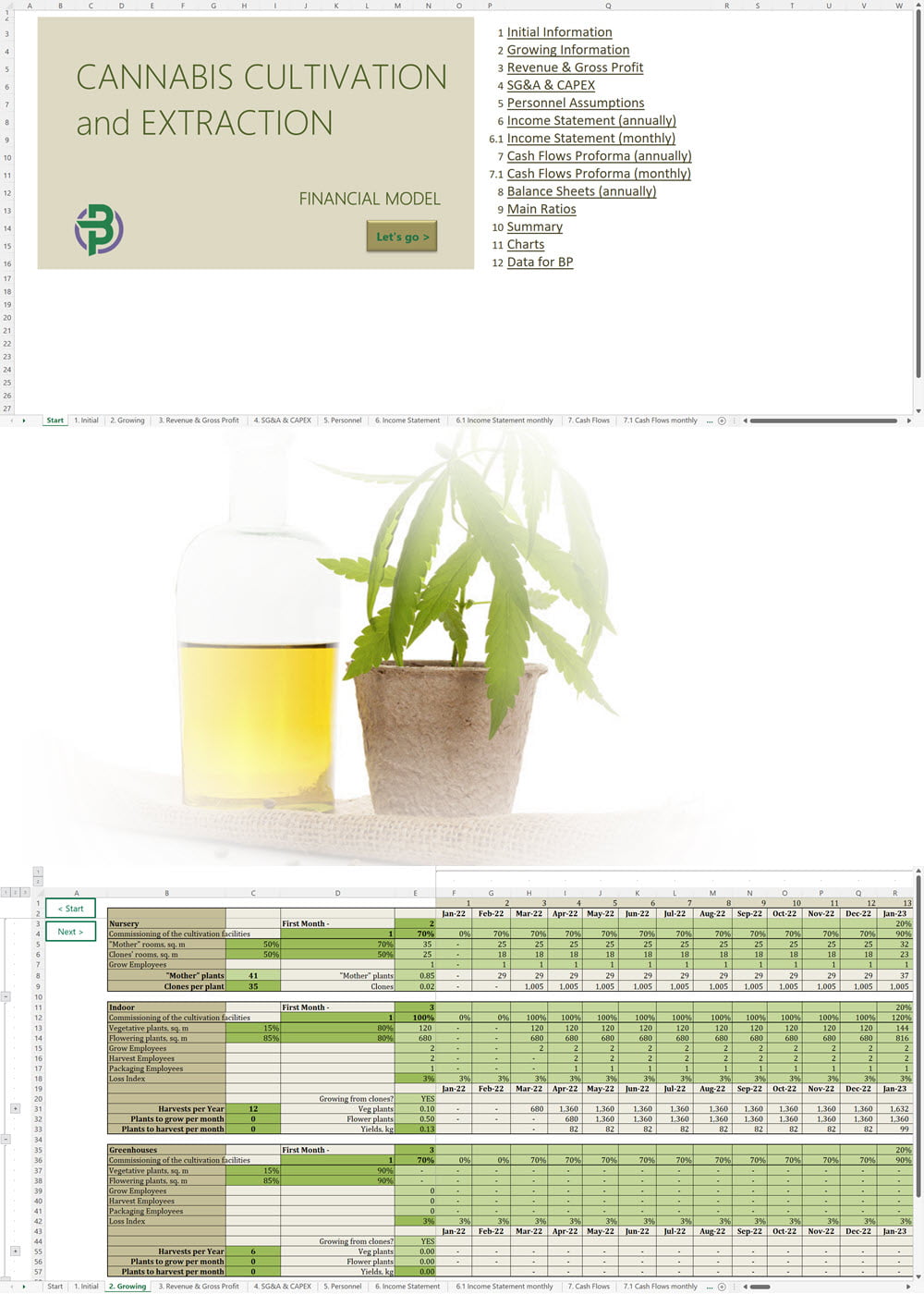
- Excel Financial Model: change variables and immediately see the impact, break down operational and capital costs, know how much it will take to get into the business and the potential profits.
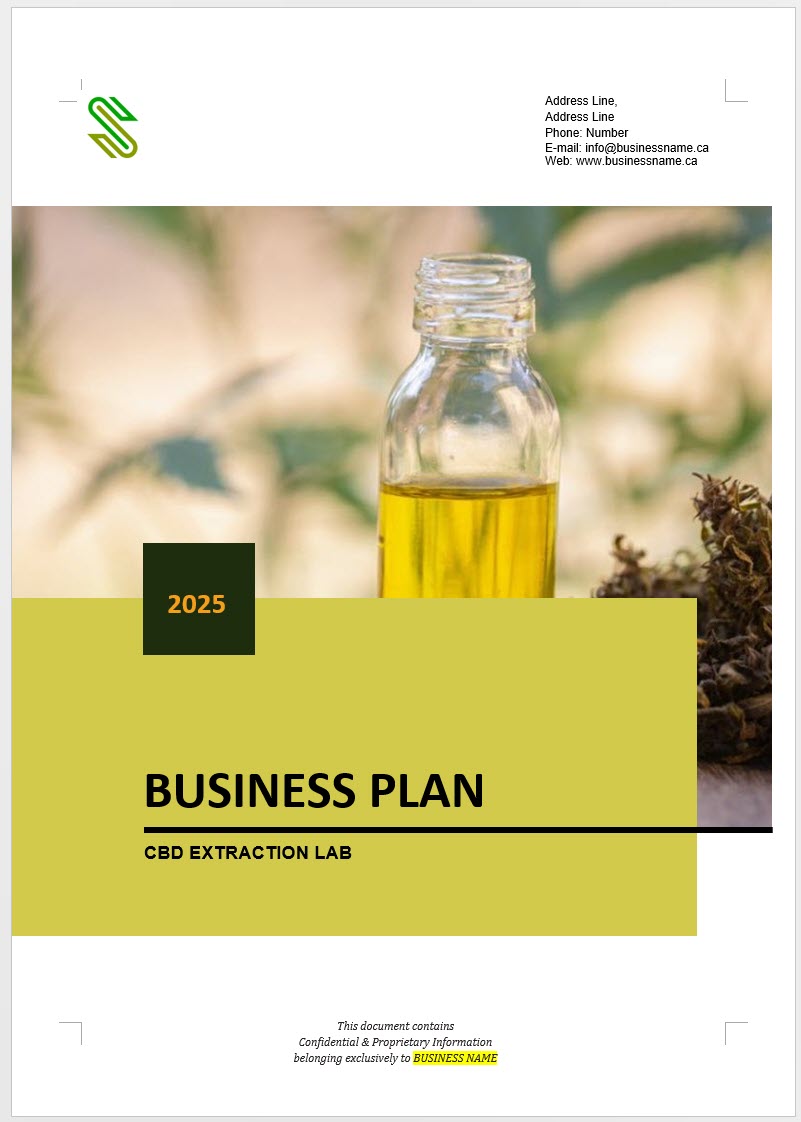
- Word Business Plan: value proposition, market analysis, marketing strategy, operating plan, organizational structure, financial plan and more.
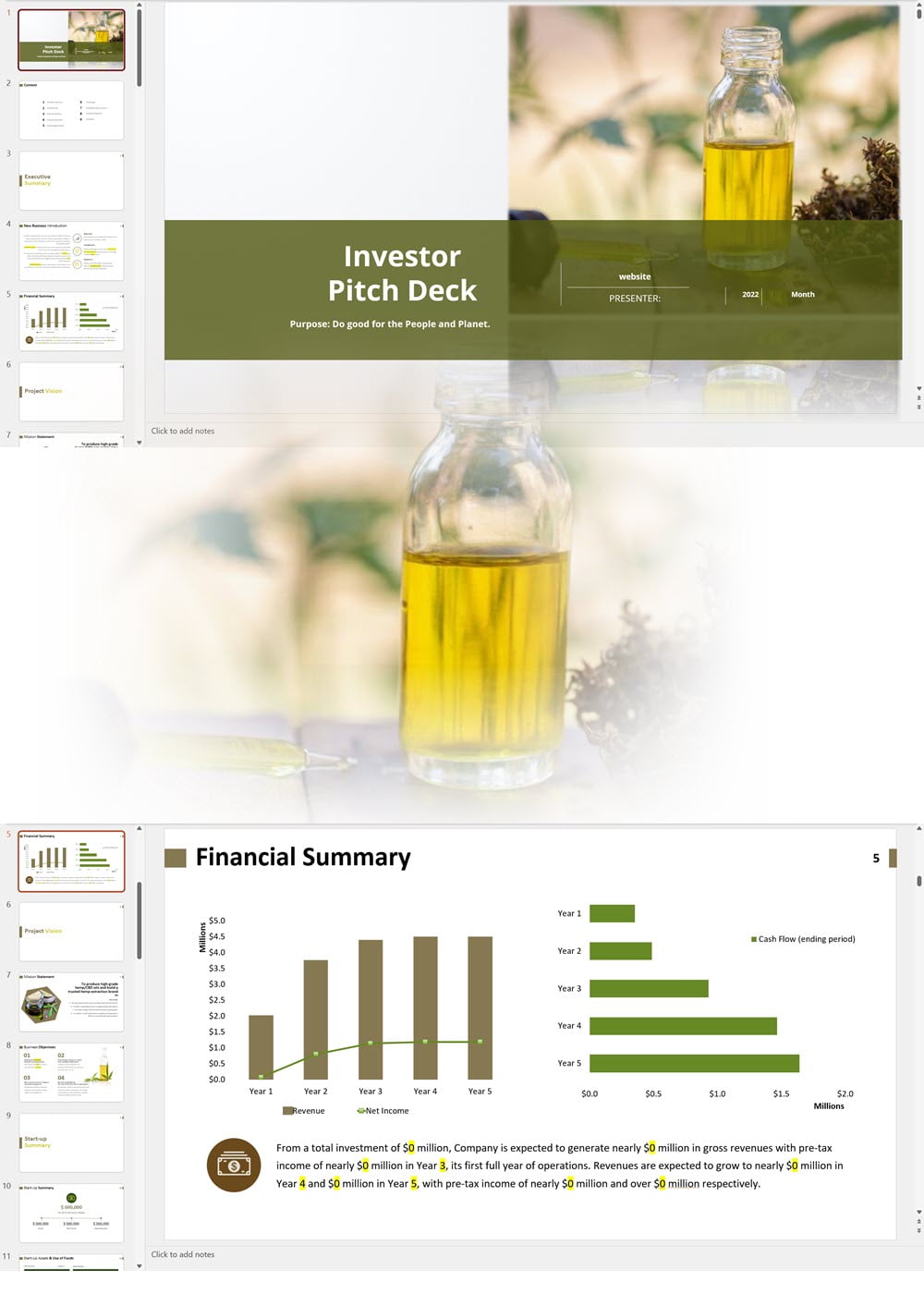
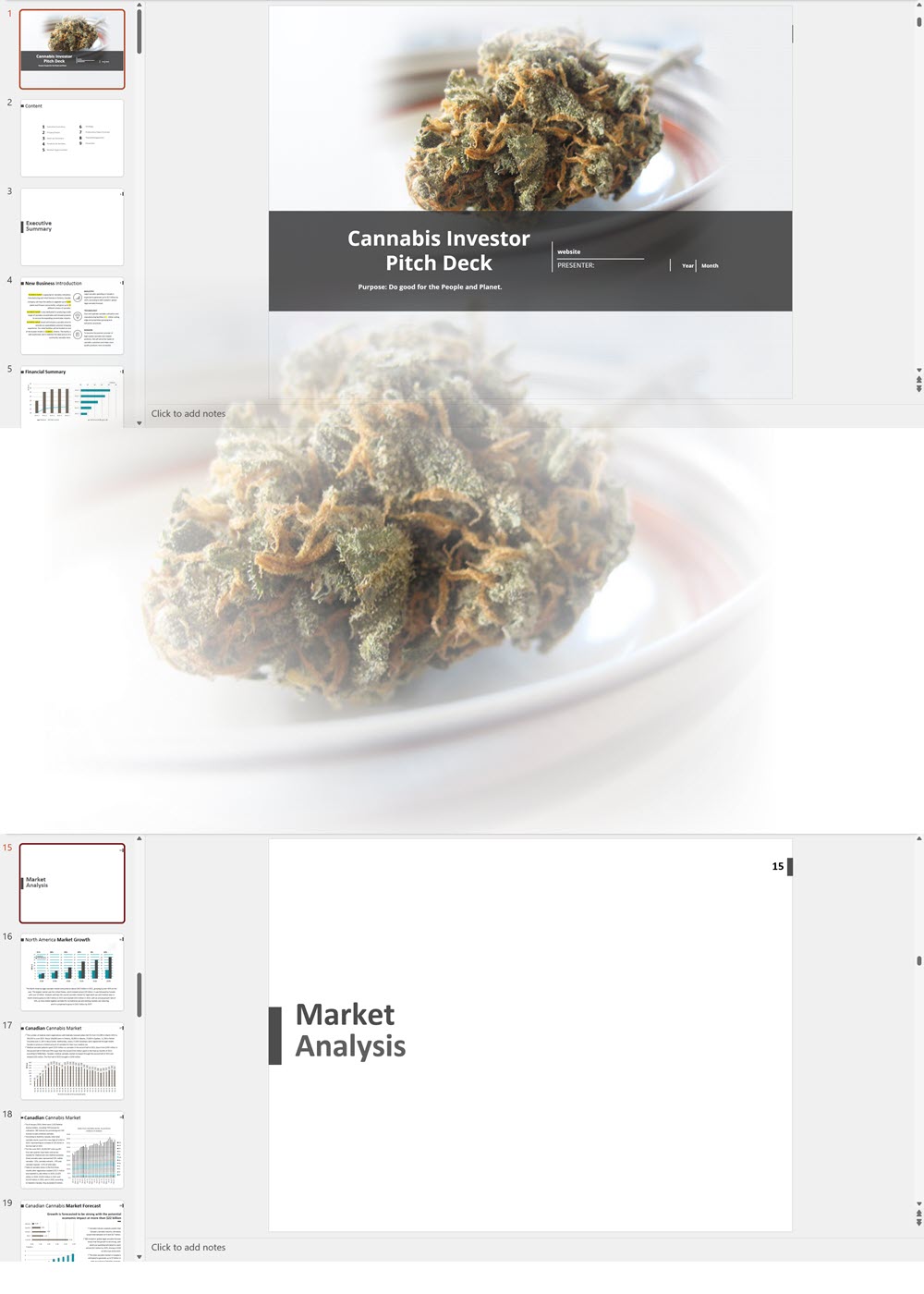
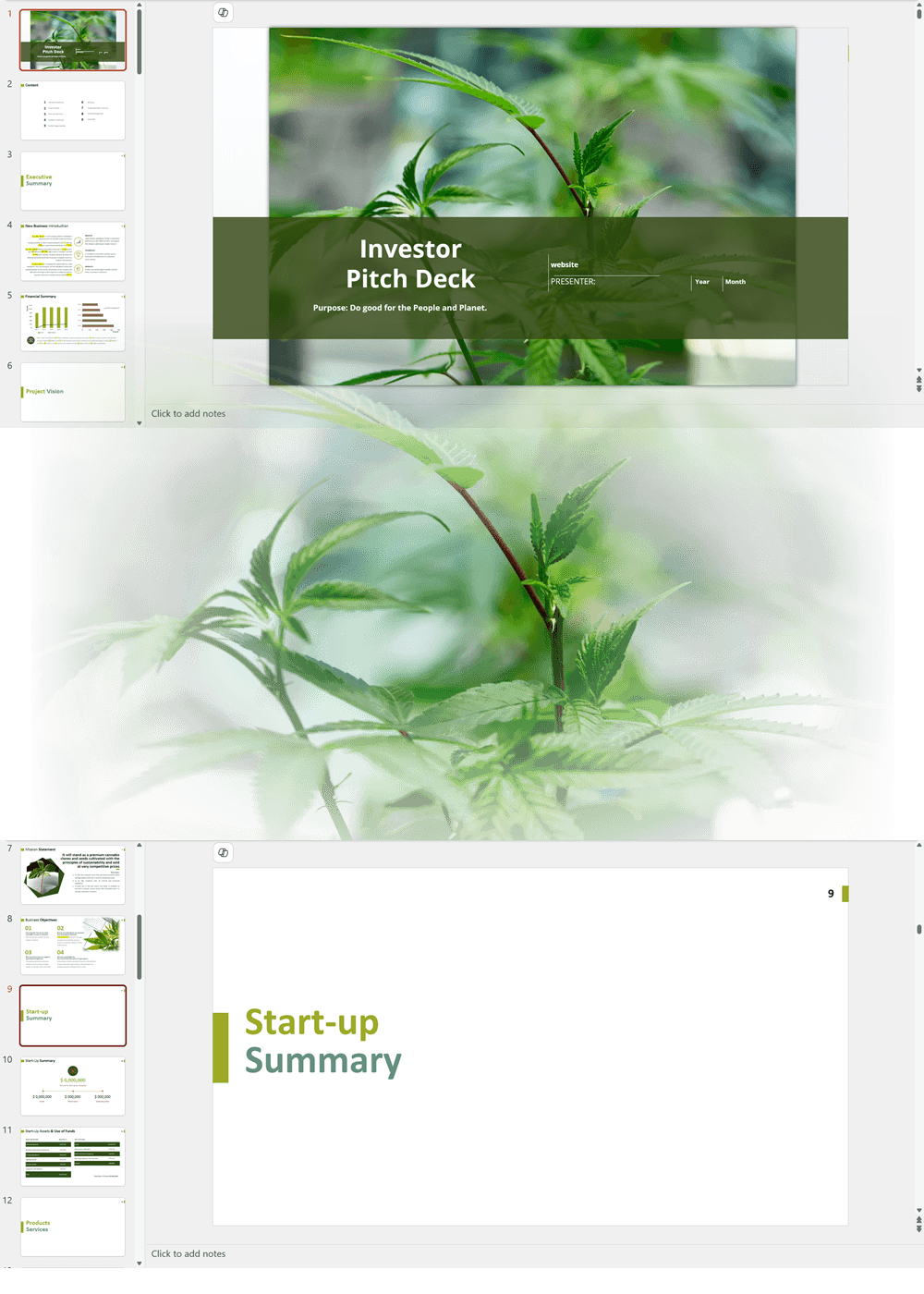
- PowerPoint Pitch Deck: provide a quick overview of your hemp CBD business plan.
'70% ready to go' business plan templates
Our hemp/CBD financial models and business plan templates will help you estimate how much it costs to start and operate your own hemp/CBD business, to build all revenue and cost line-items monthly over a flexible seven year period, and then summarize the monthly results into quarters and years for an easy view into the various time periods. We also offer investor pitch deck templates.
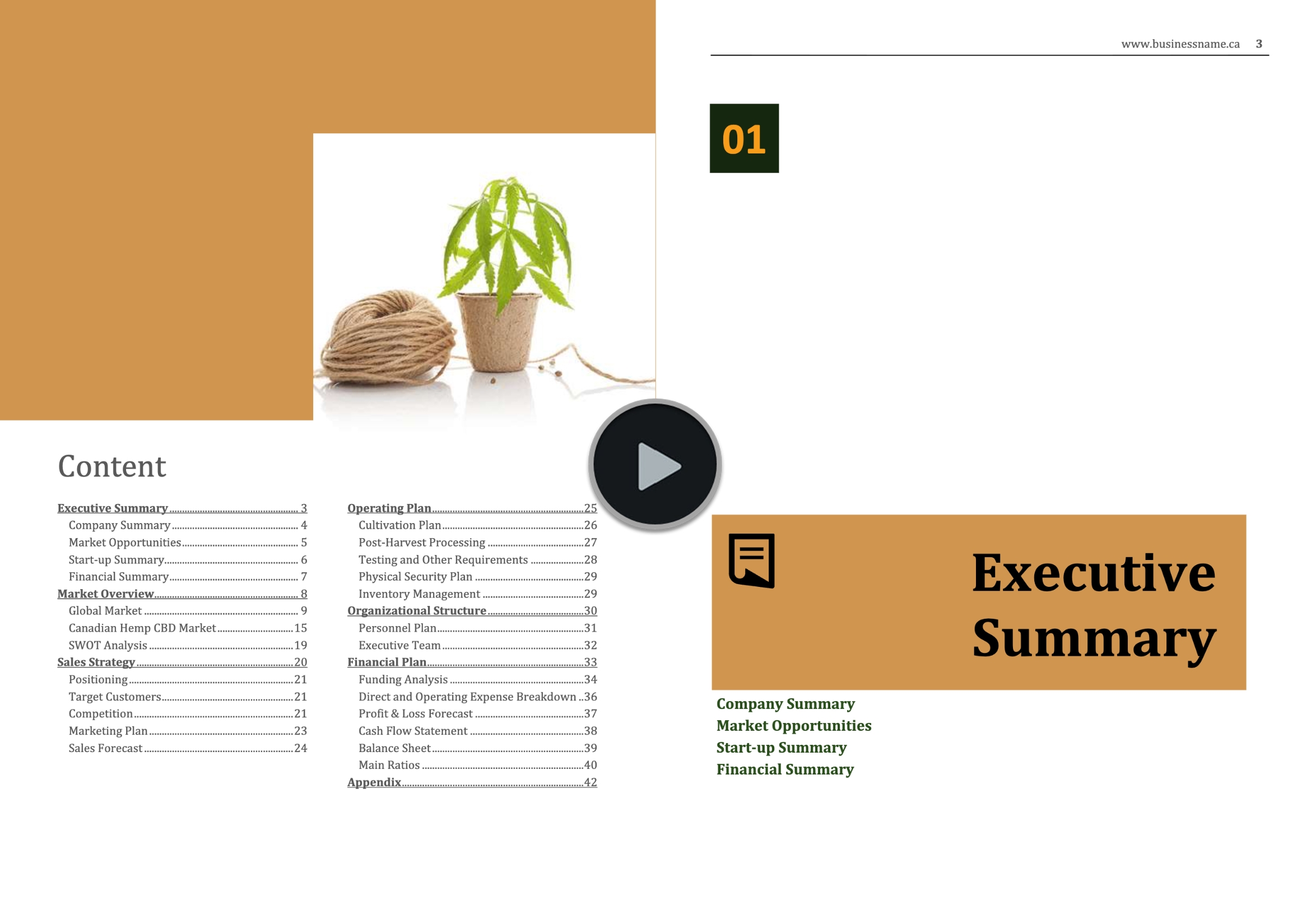
Hemp Fiber and Grain Cultivation Business Plan Sample, Canada
Best Selling Hemp Templates
-

Hemp Fiber Manufacturing Business Plan Template
Price range: $100.00 through $300.00 Select options This product has multiple variants. The options may be chosen on the product page -

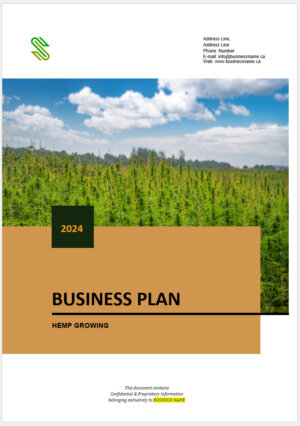
Hemp Cultivation Business Plan Template
Price range: $75.00 through $300.00 Select options This product has multiple variants. The options may be chosen on the product page -
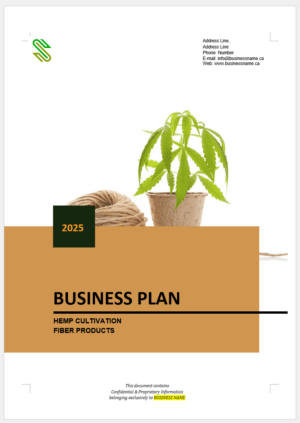
Hemp Cultivation + CBD Oil Extraction and/or Fiber Products Business Plan Template
Price range: $100.00 through $400.00 Select options This product has multiple variants. The options may be chosen on the product page
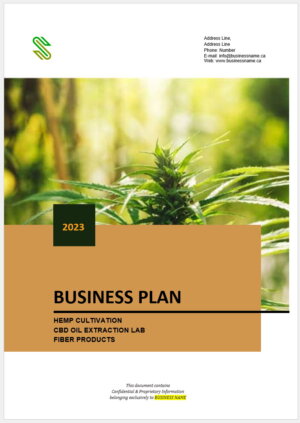
For more information on the hemp industry and hemp/CBD business plan templates, visit hempcbdbusinessplans.com.
Our Templates

Cannabis Micro Cultivation Project Plan Template
Price range: $0.00 through $100.00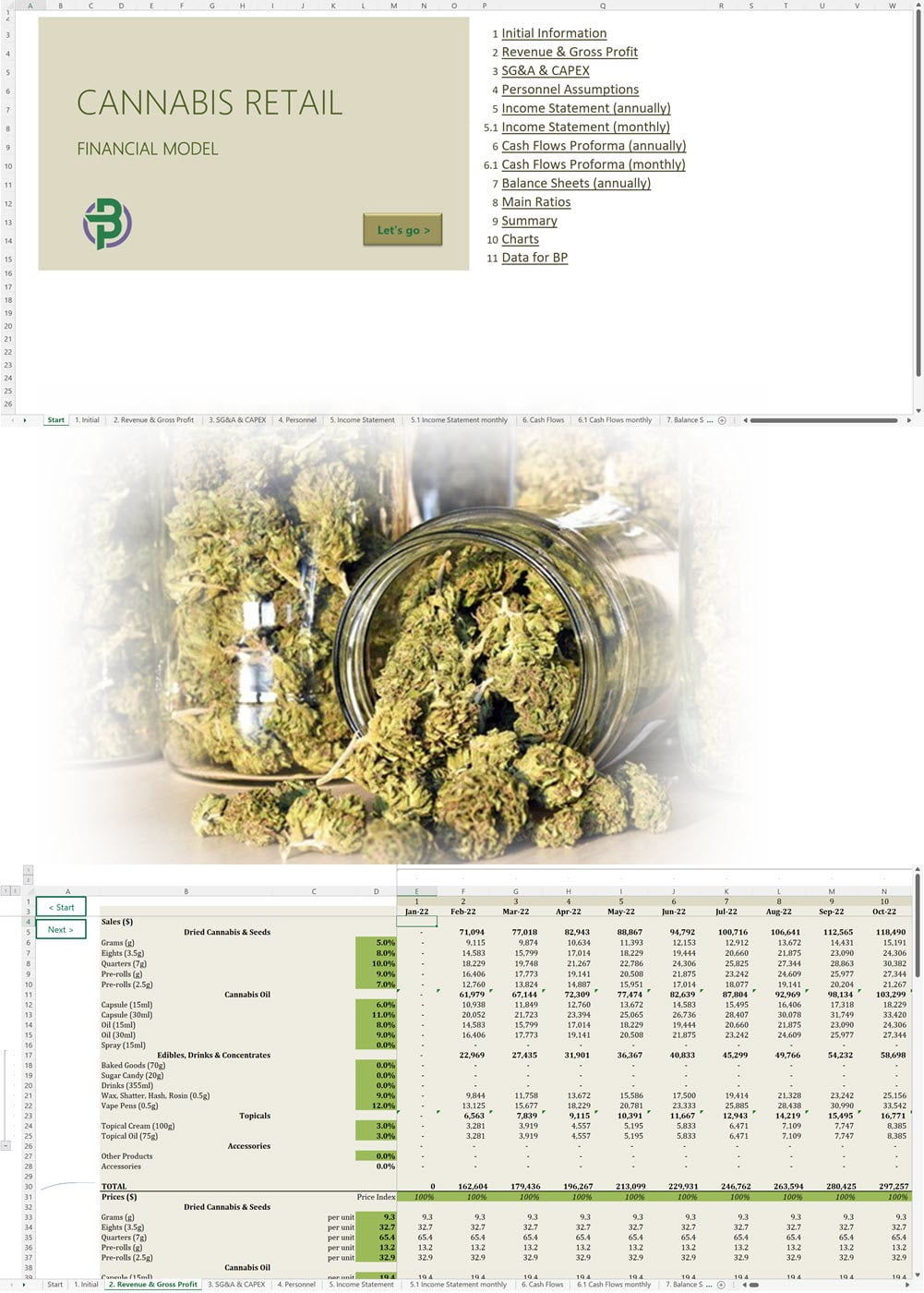
Cannabis Retail Financial Model
$200.00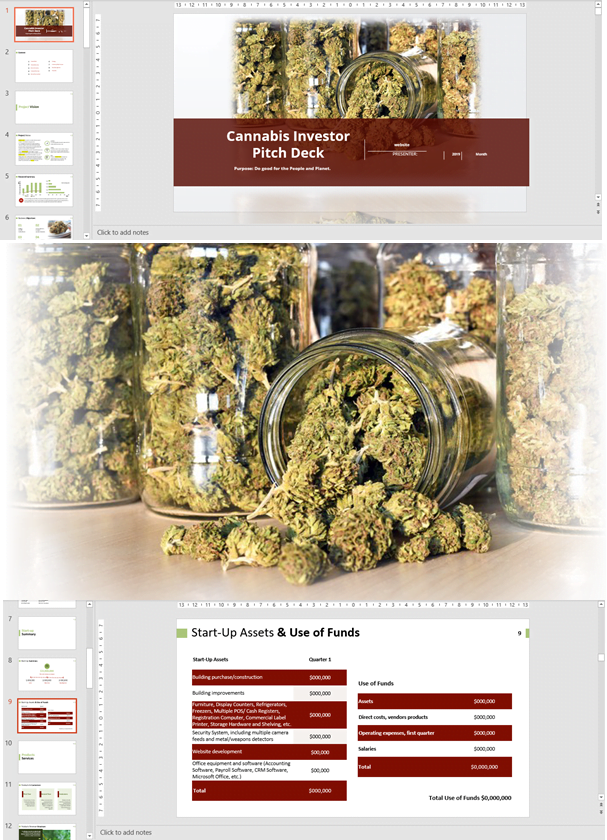
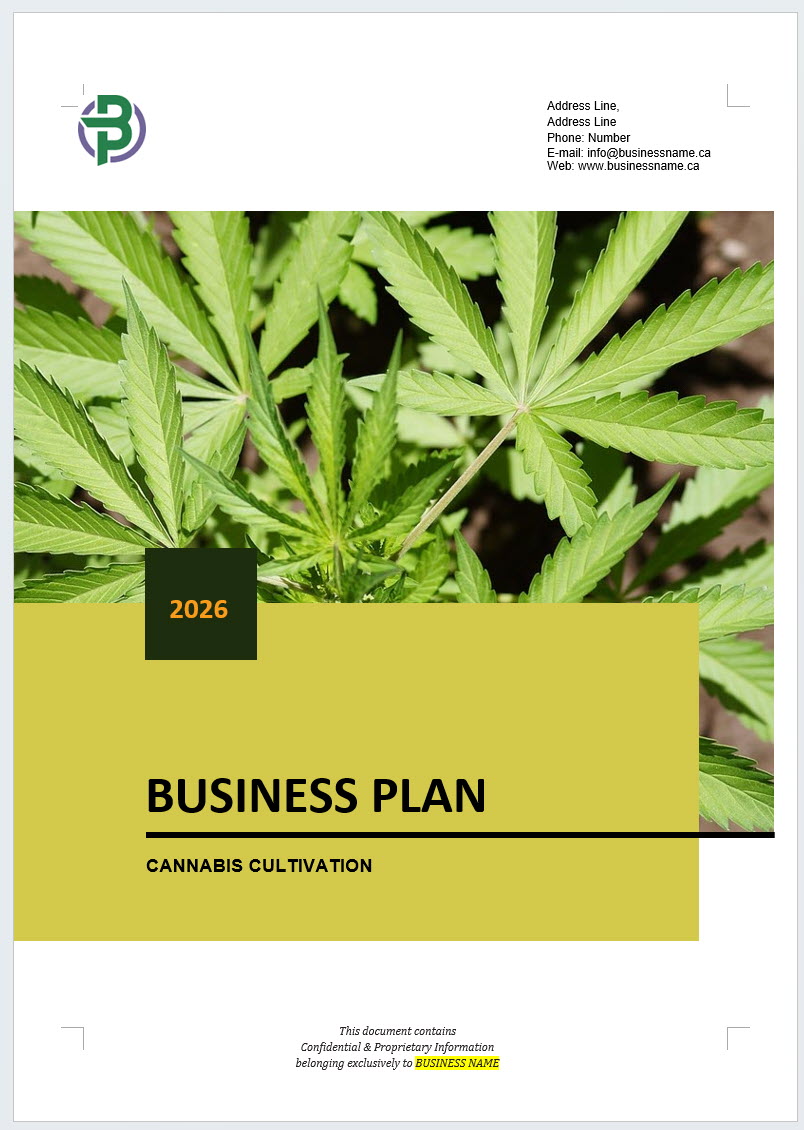
Cannabis Micro Cultivation Business Plan Template
Price range: $100.00 through $350.00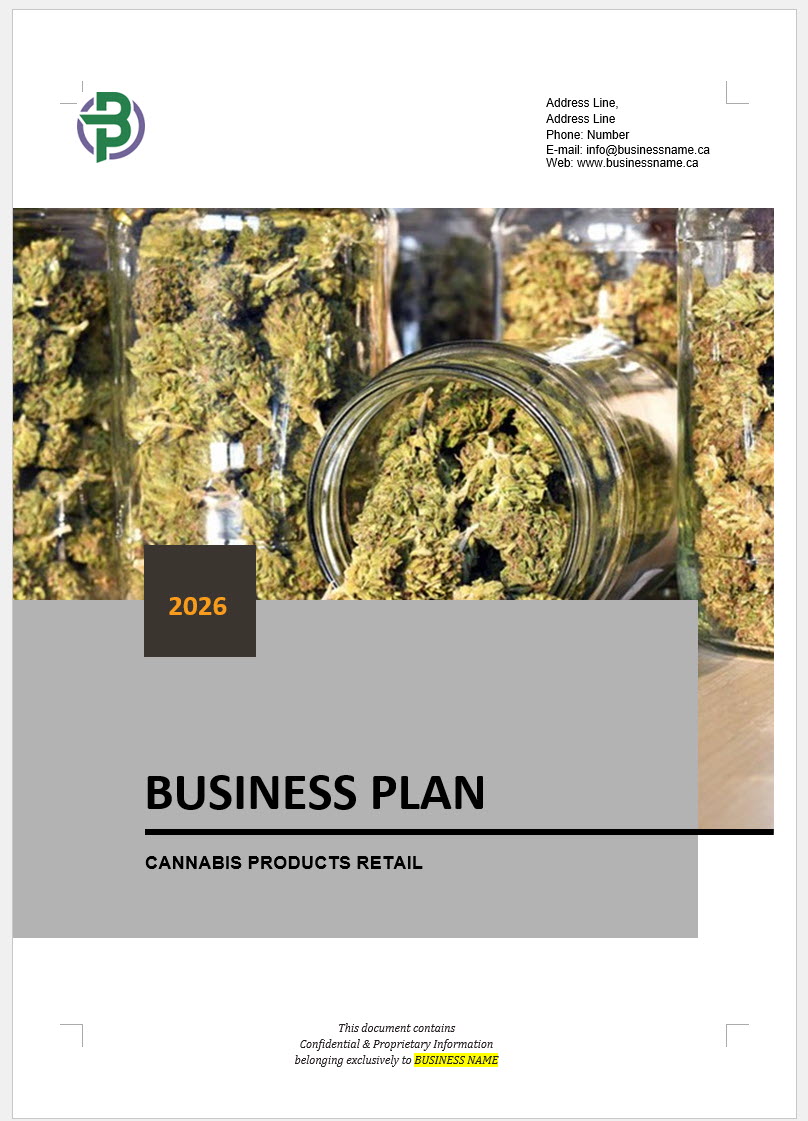
Cannabis Retail Business Plan Template
Price range: $100.00 through $450.00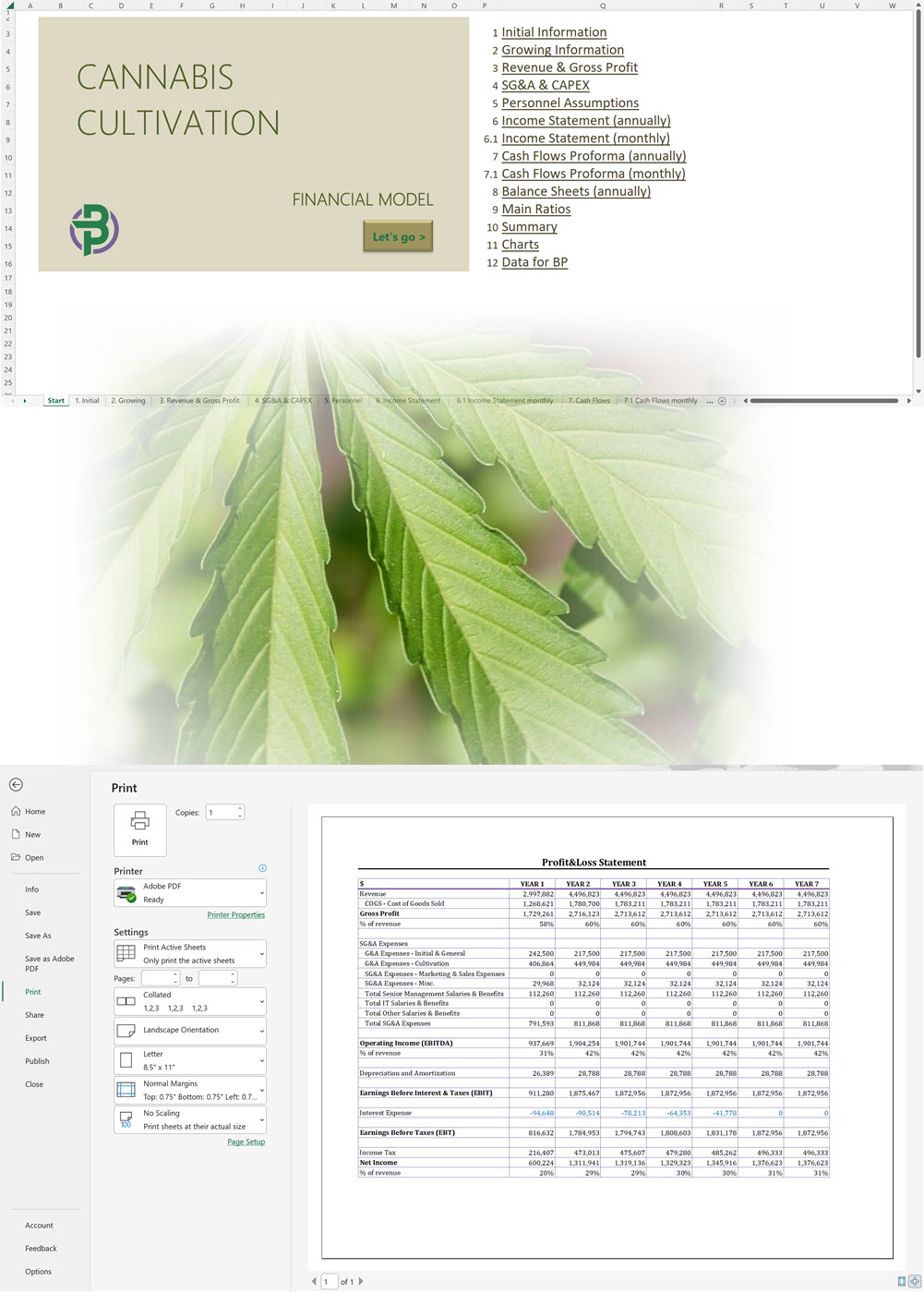
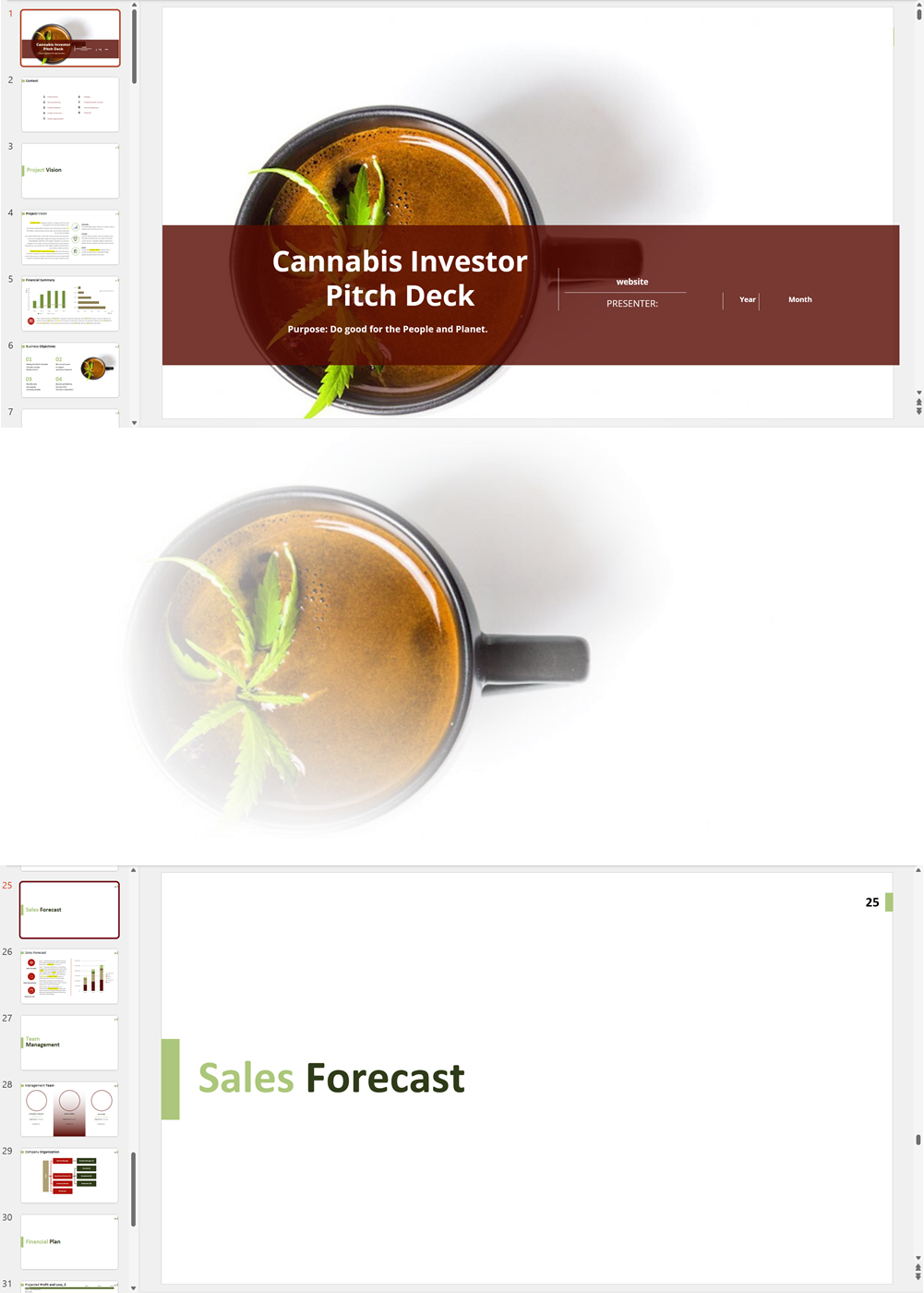
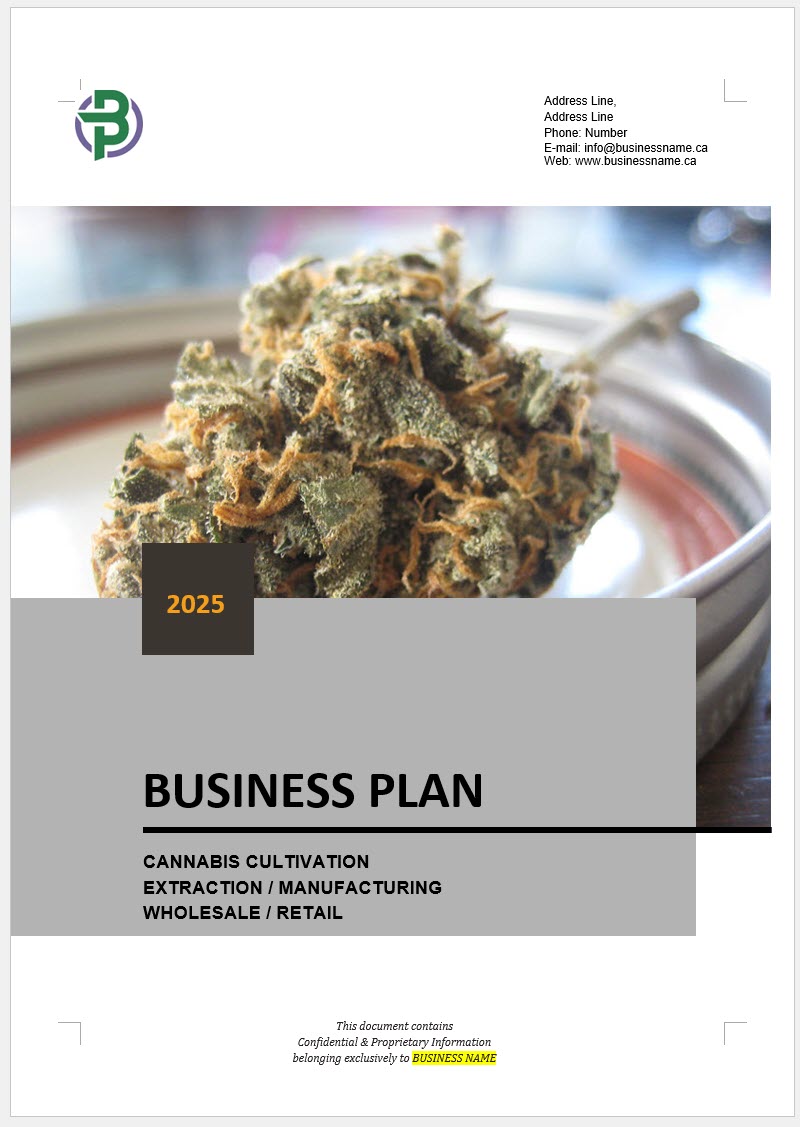
Cannabis Cultivation, Extraction, Manufacturing, Wholesale and/or Retail Business Plan Template
Price range: $100.00 through $550.00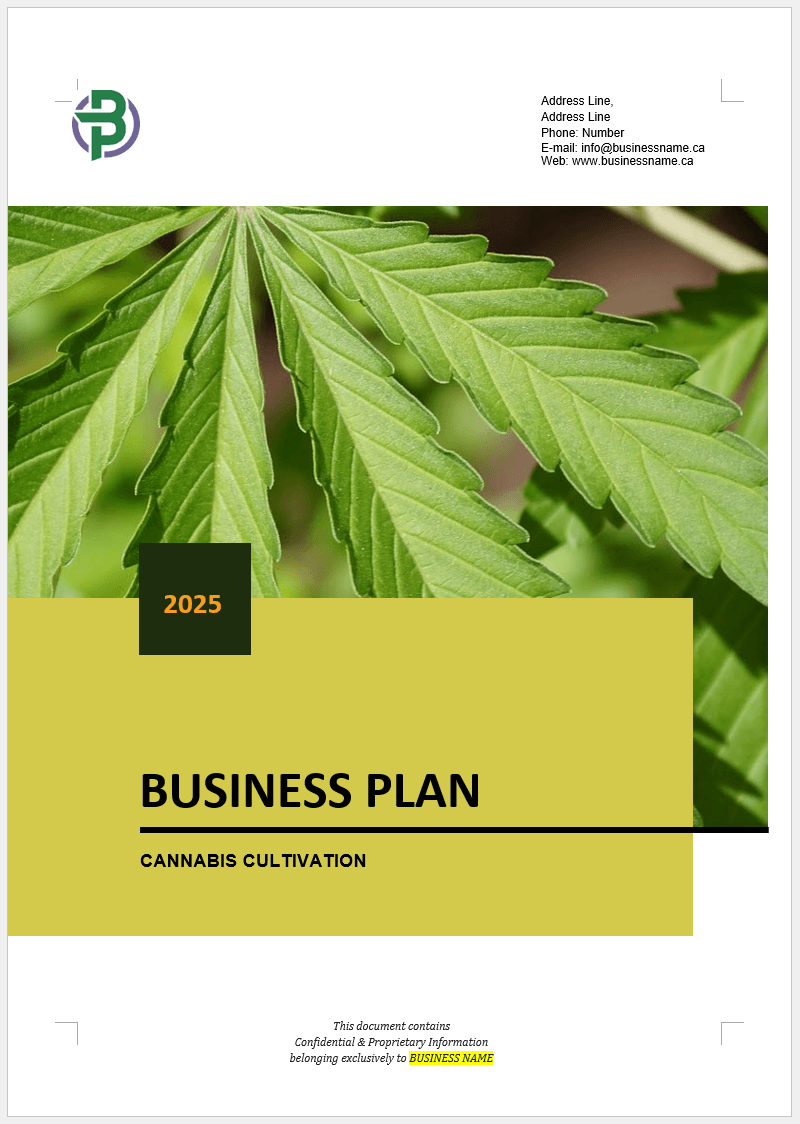
Cannabis Cultivation Business Plan Template
Price range: $100.00 through $450.00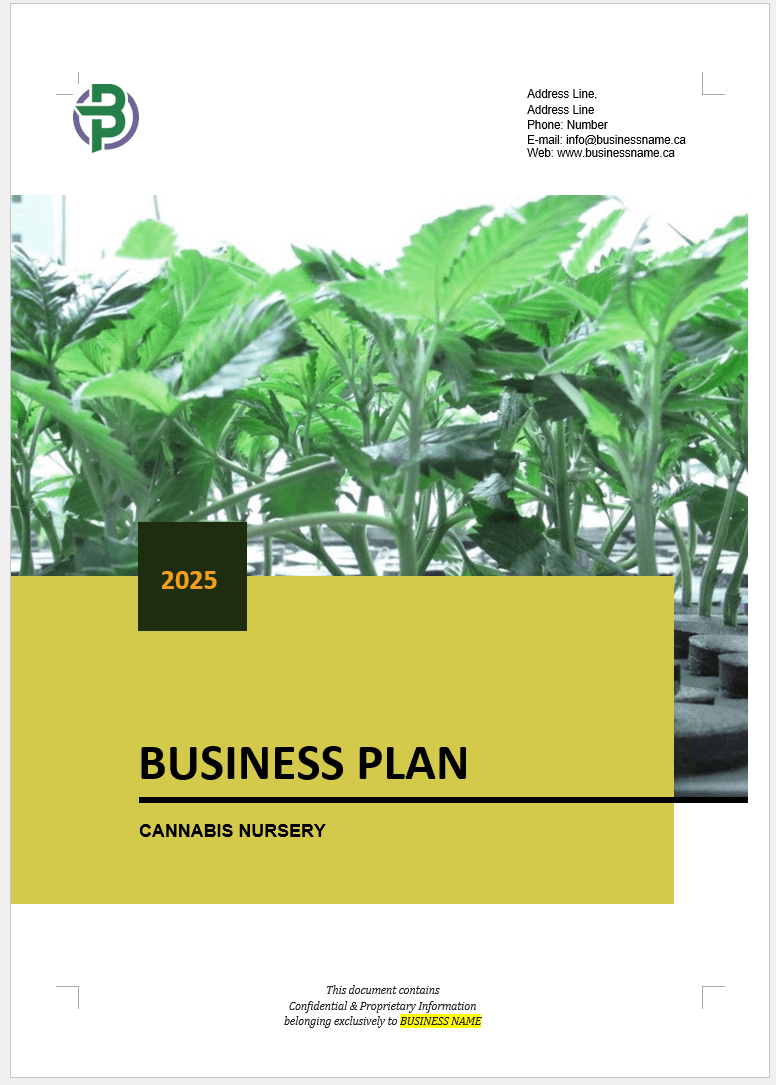
Cannabis Clones/Seeds Nursery Business Plan Template
Price range: $100.00 through $350.00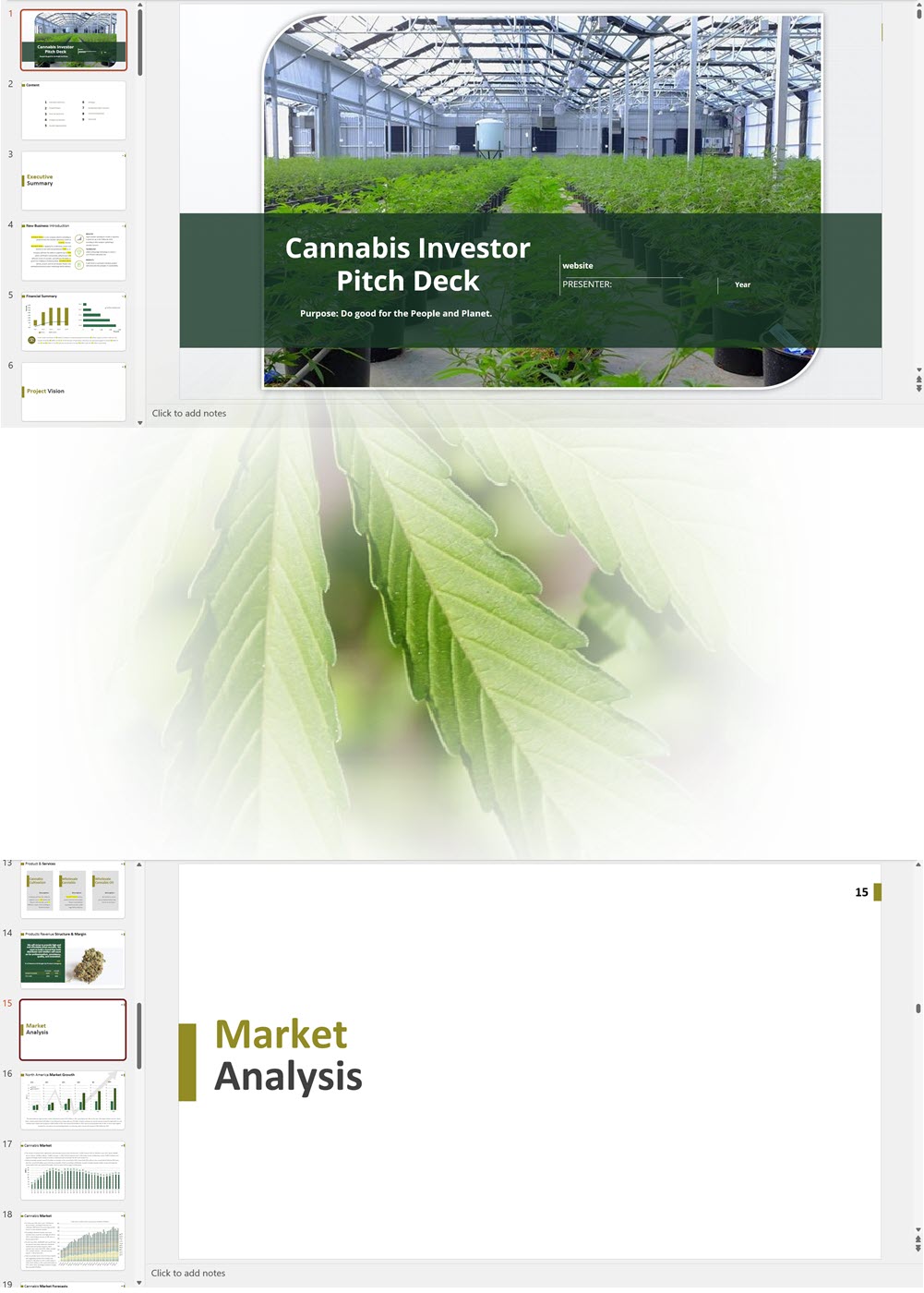
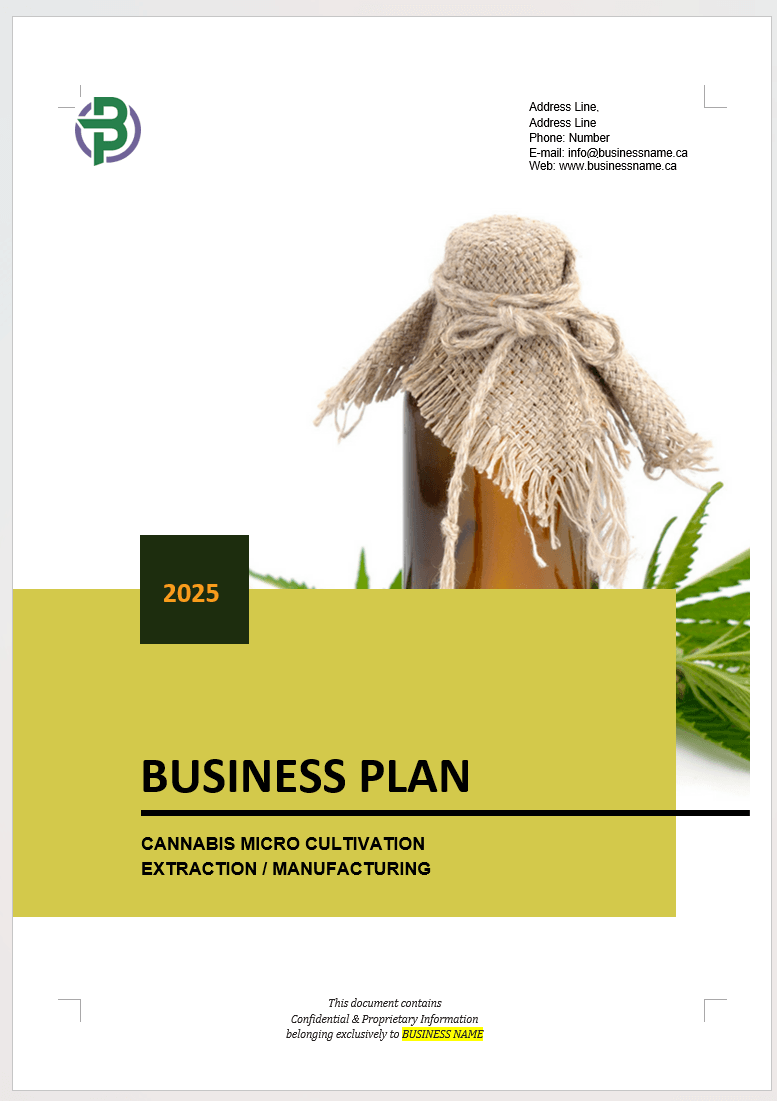
Cannabis Micro Cultivation + Processing Business Plan Template
Price range: $175.00 through $400.00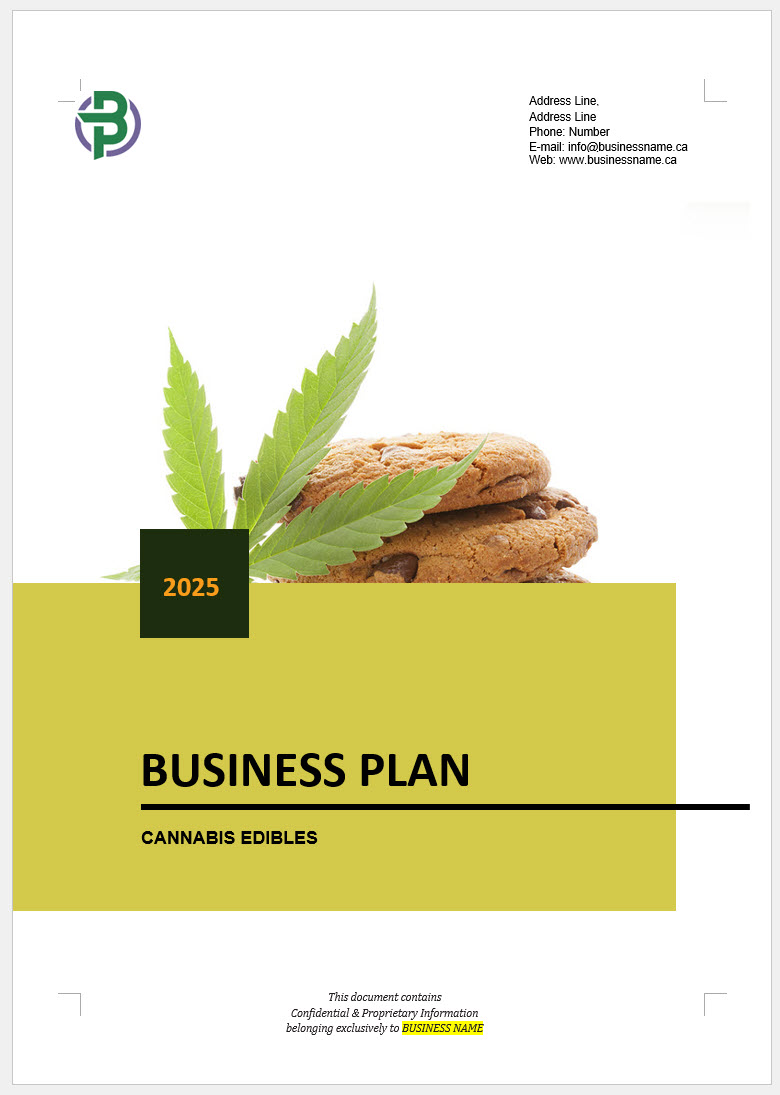
Cannabis Edibles Business Plan Template
Price range: $100.00 through $400.00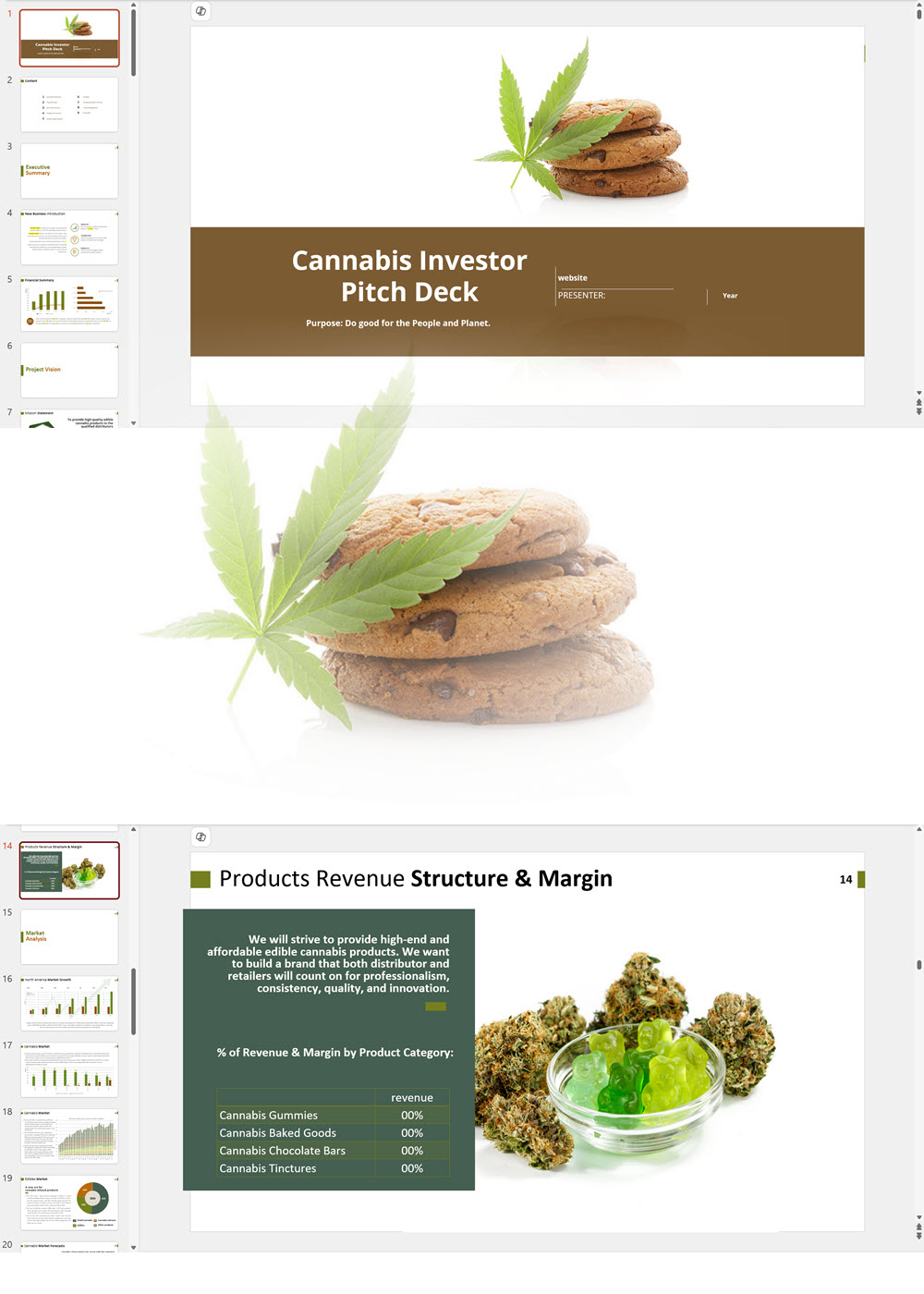
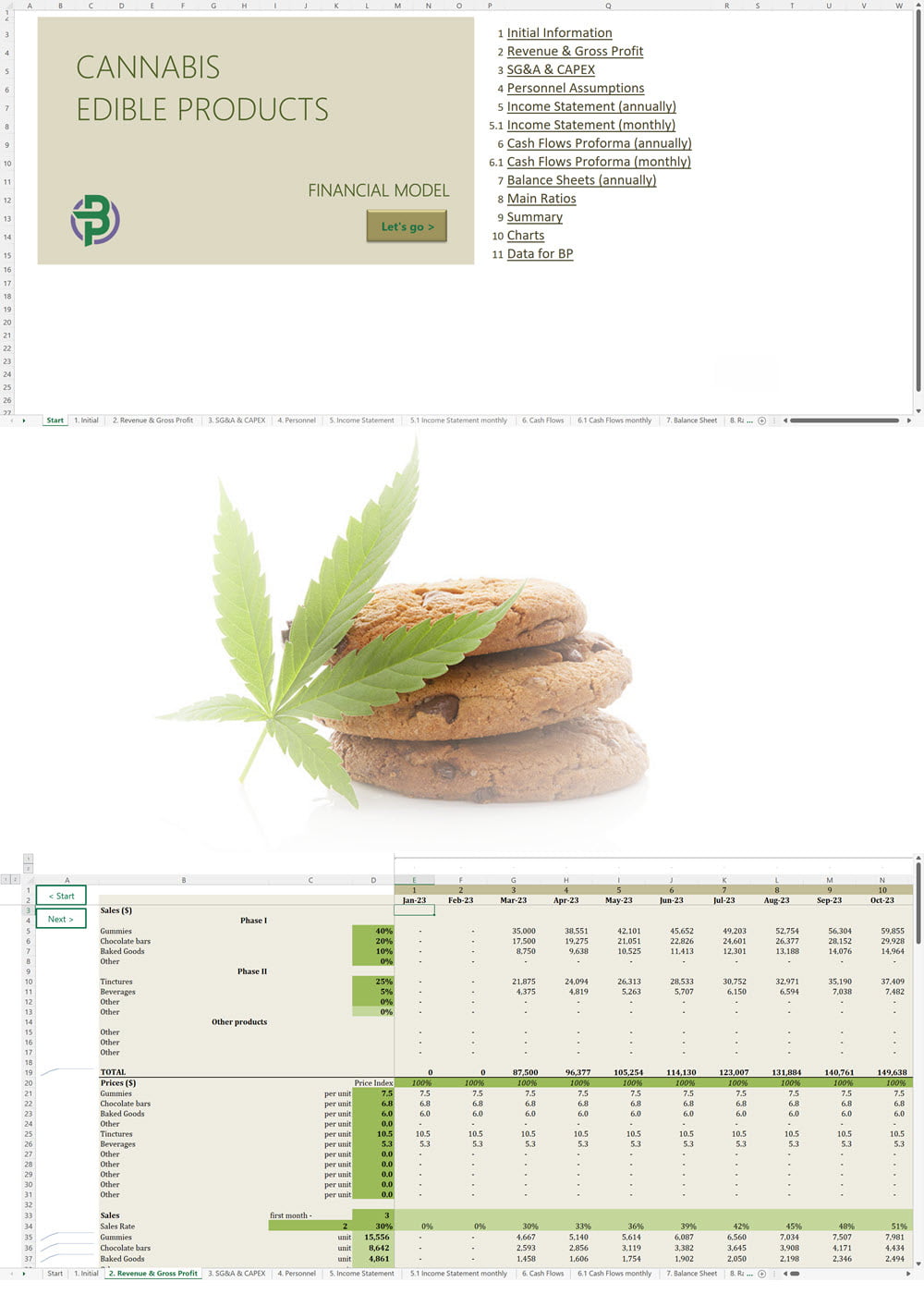
Cannabis Edibles Financial Model
$175.00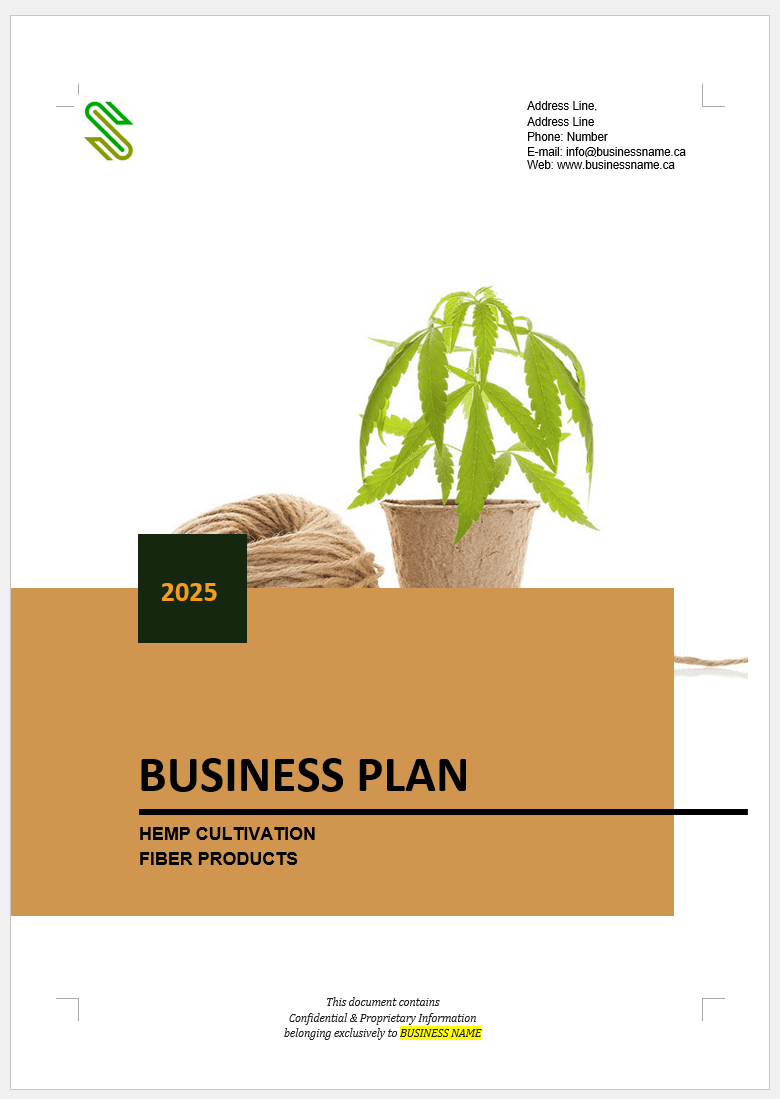
Hemp Fiber Manufacturing Business Plan Template
Price range: $100.00 through $300.00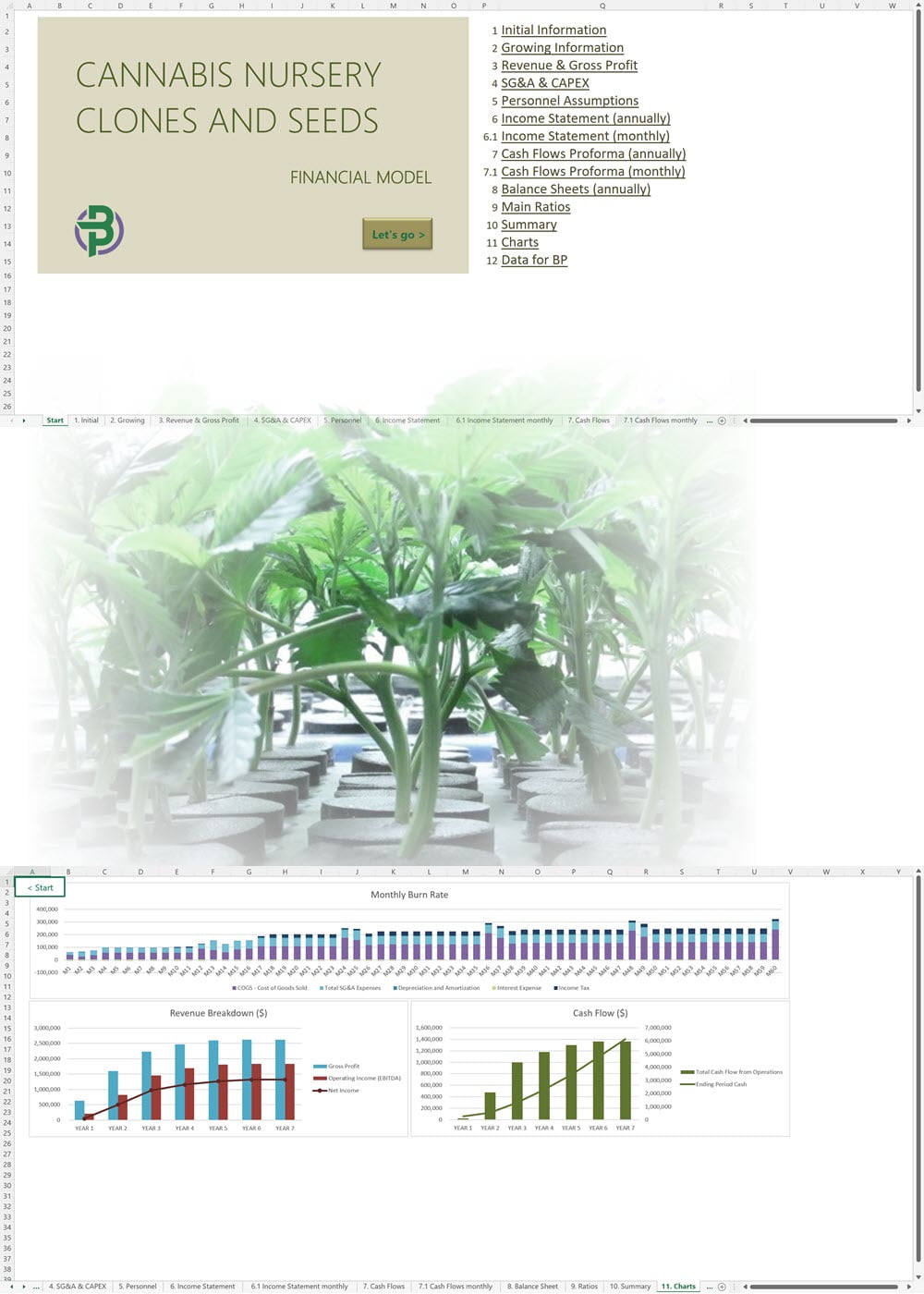
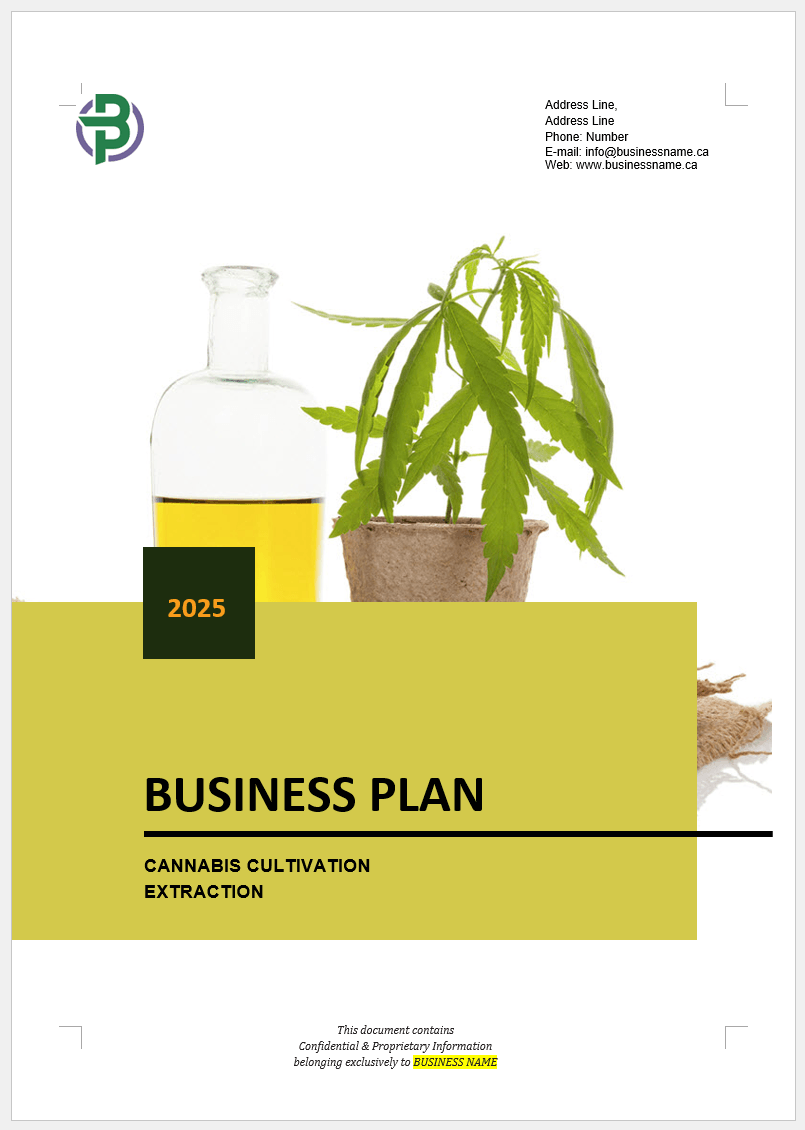
Cannabis Cultivation + Extraction / Concentrates Business Plan Template
Price range: $100.00 through $600.00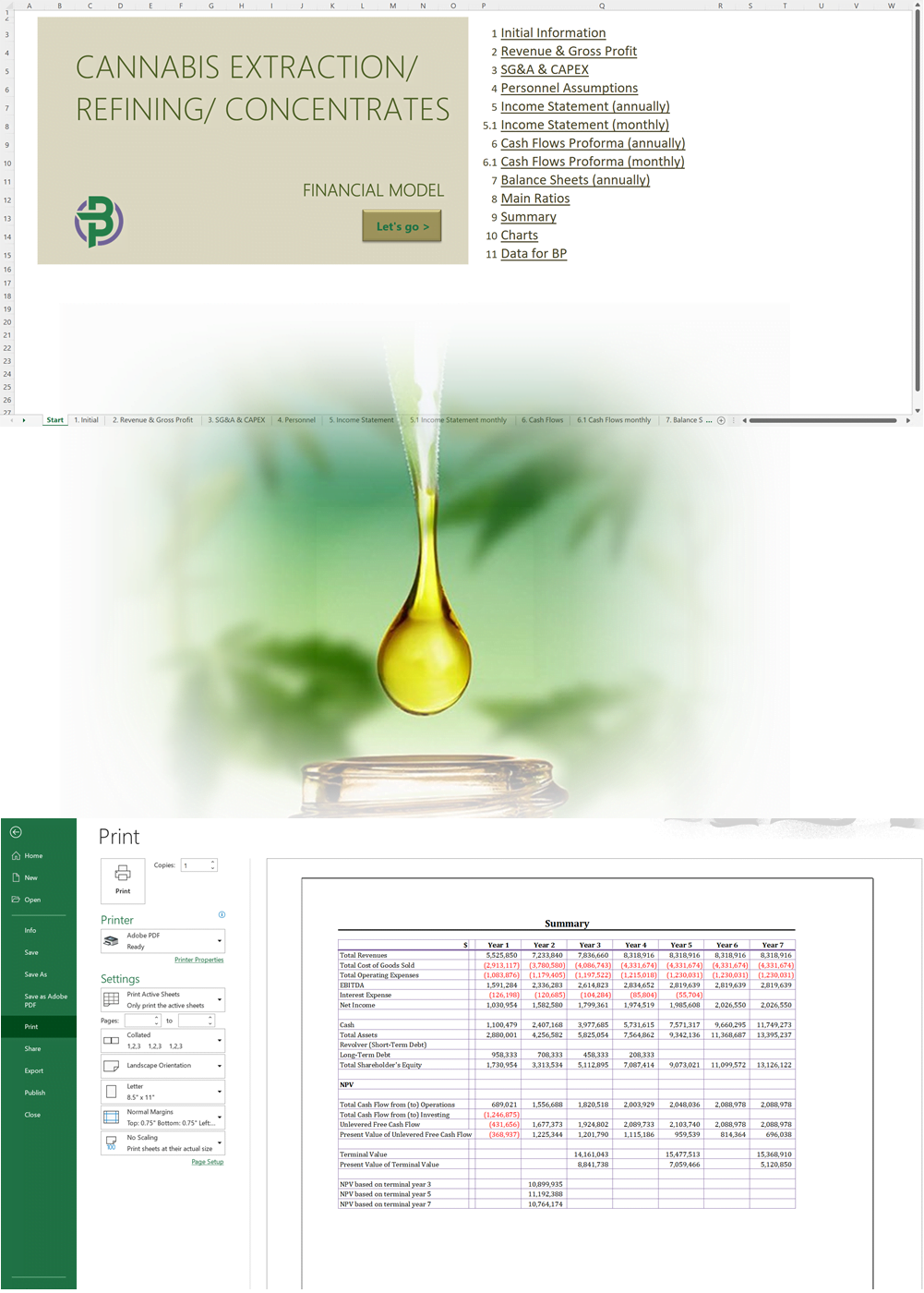
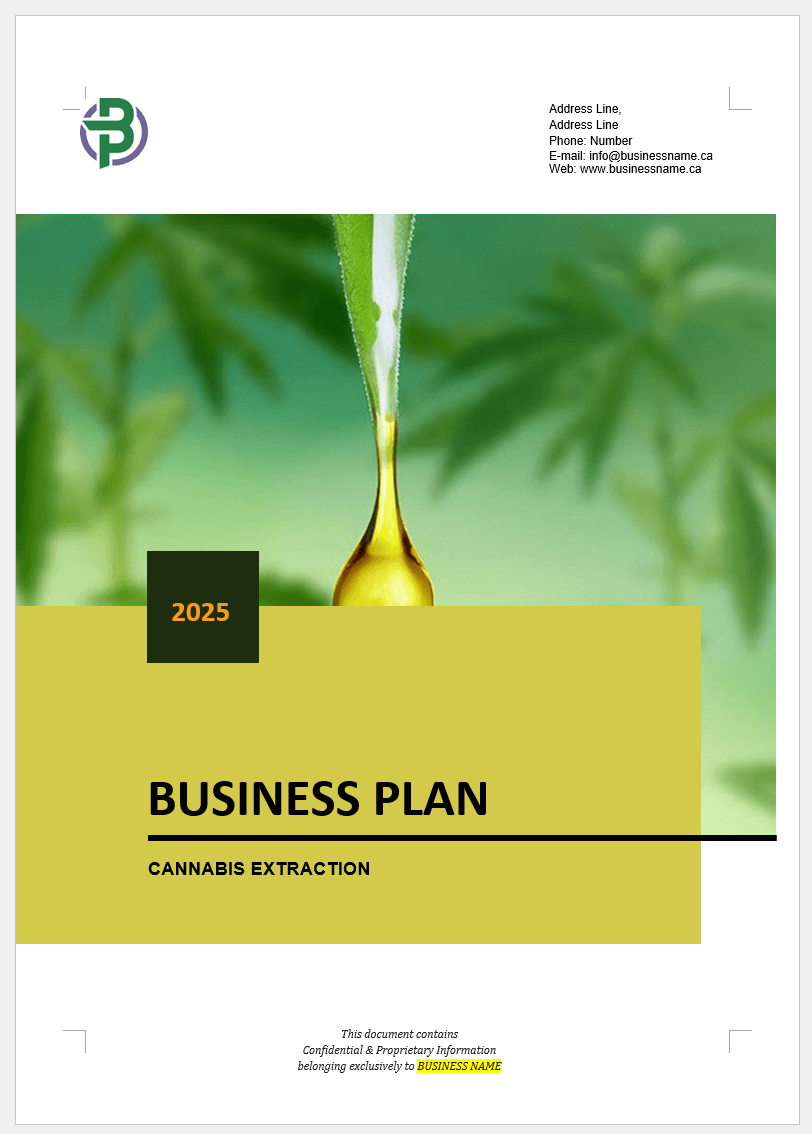
Cannabis Extraction/Concentrates Business Plan Template
Price range: $100.00 through $450.00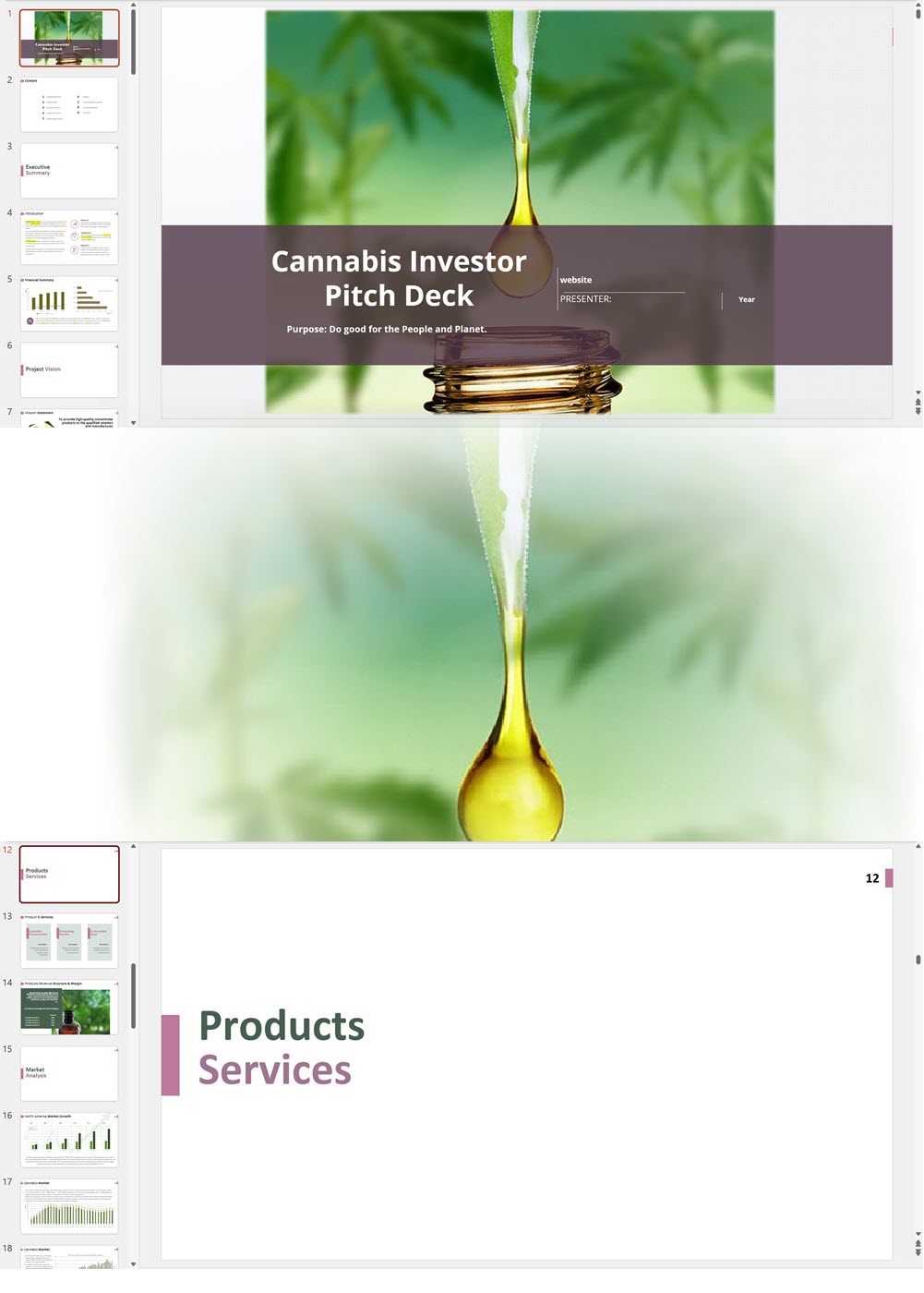
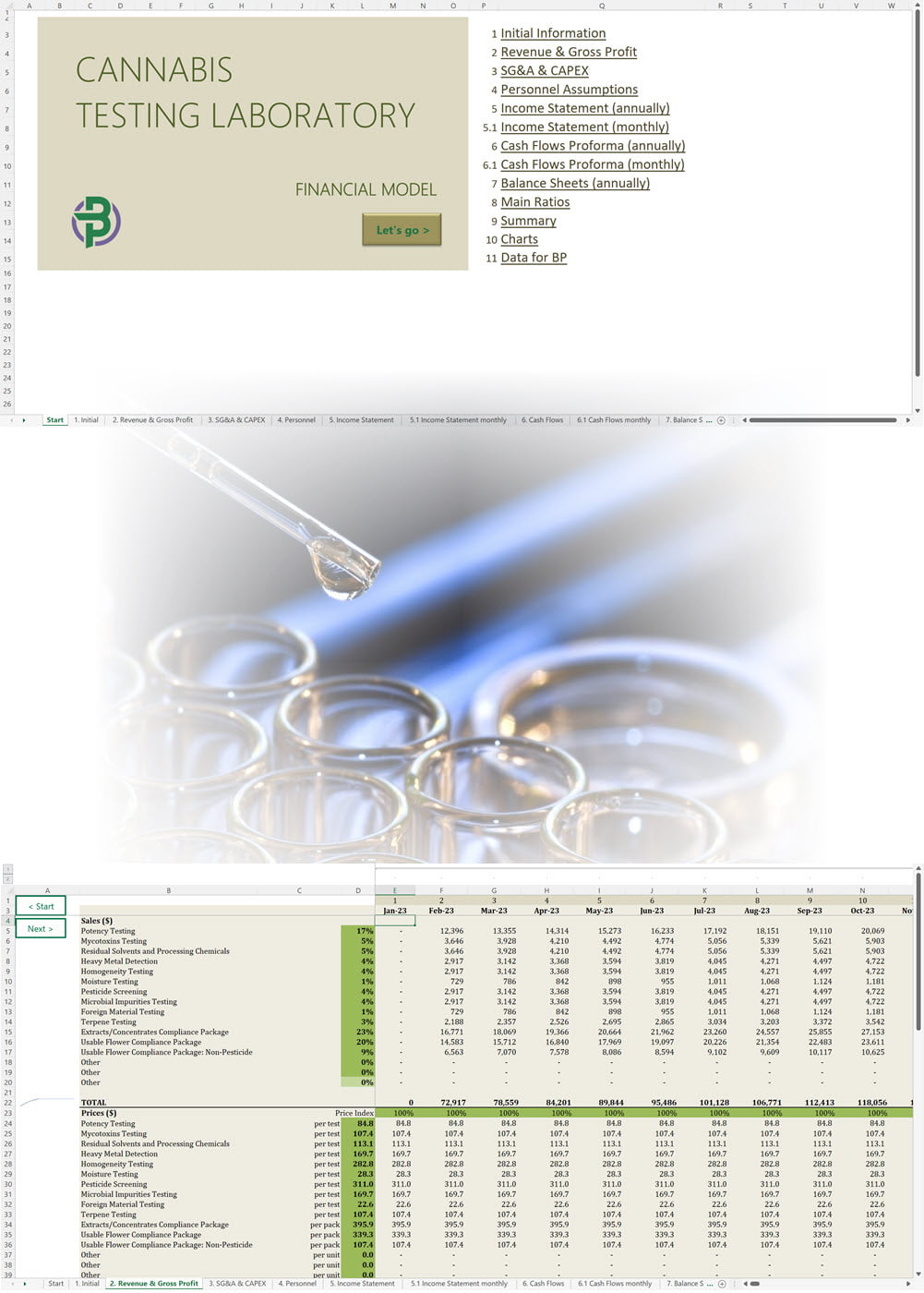
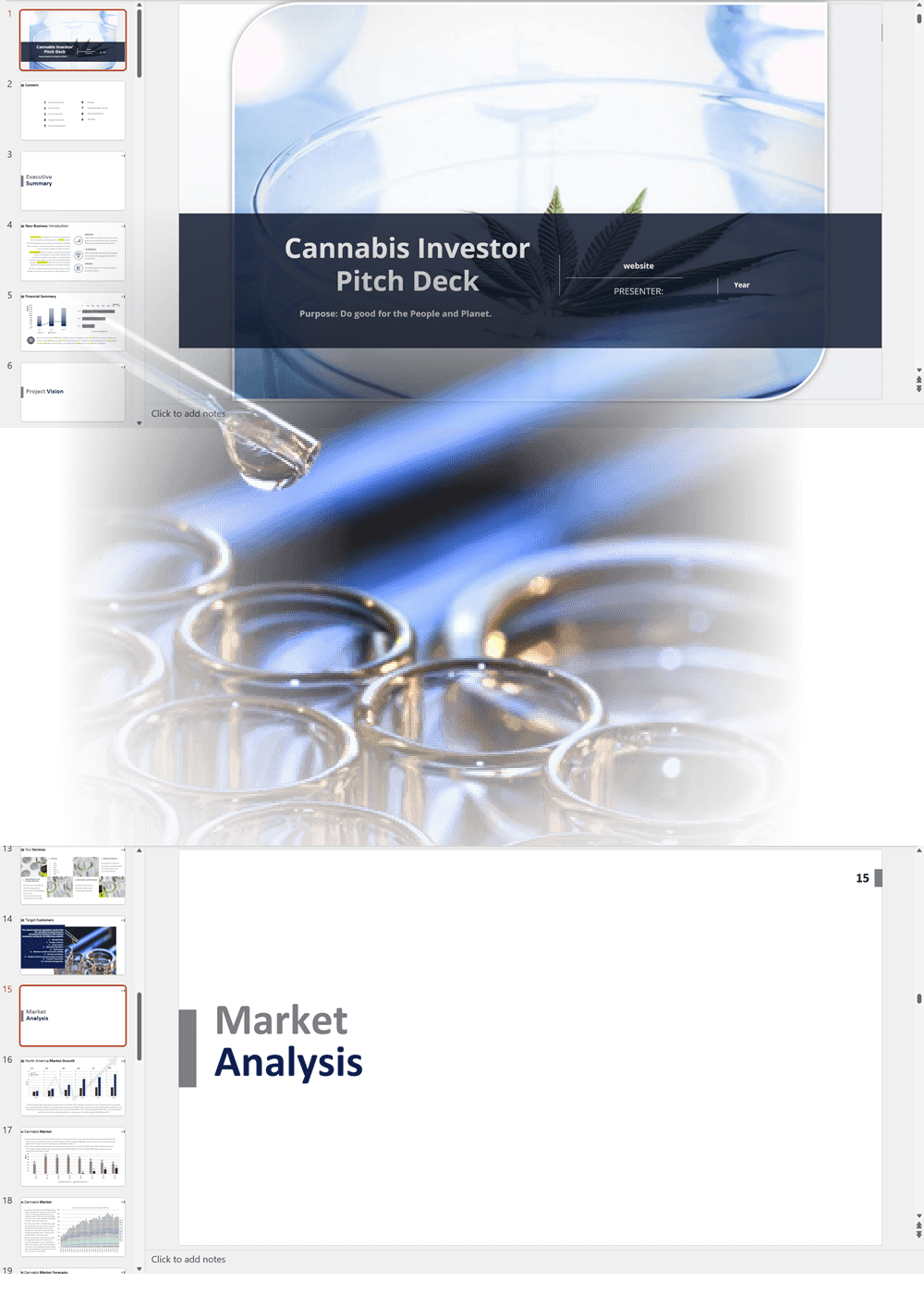
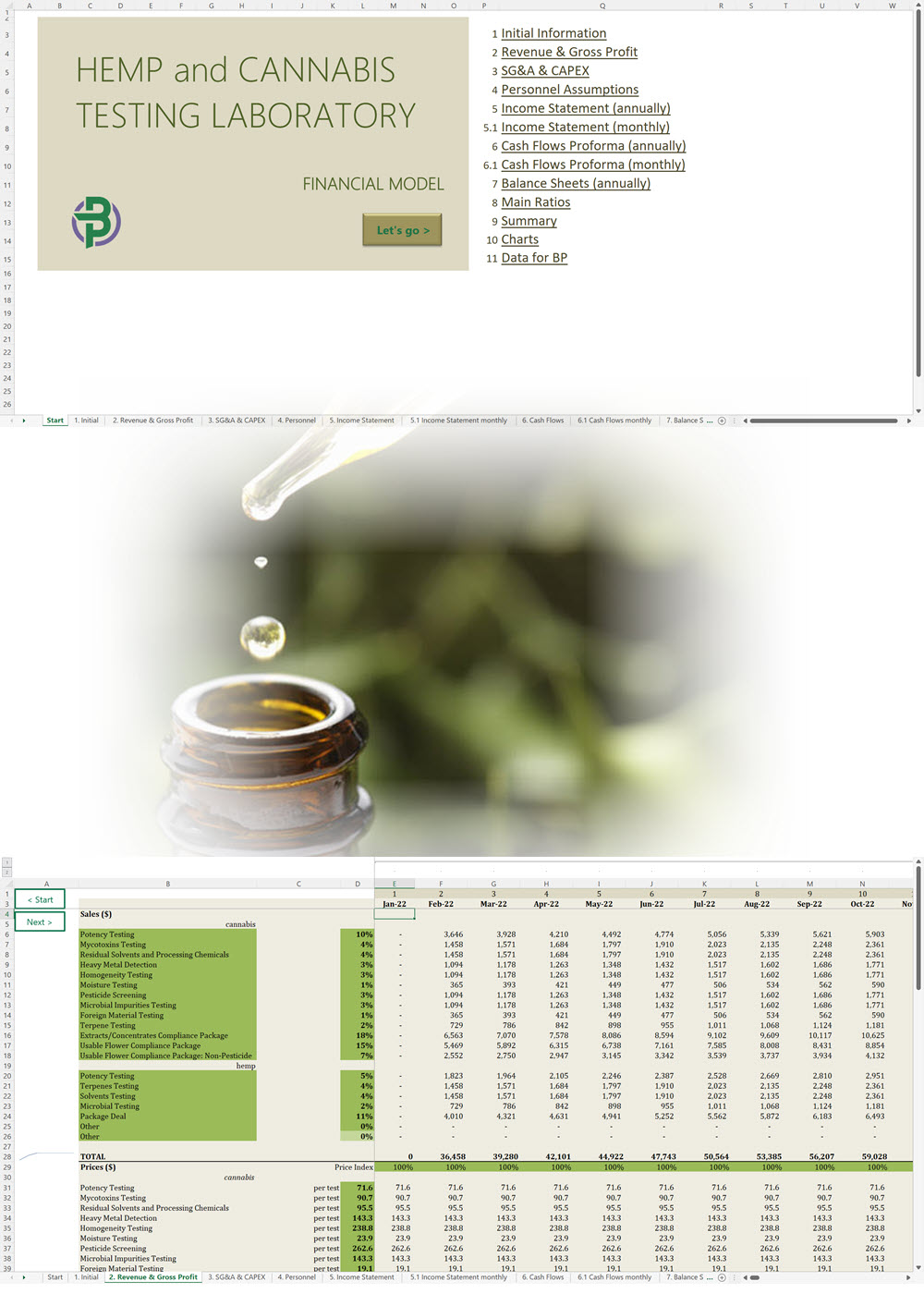
Cannabis Testing Laboratory Business Plan Template
Price range: $100.00 through $350.00